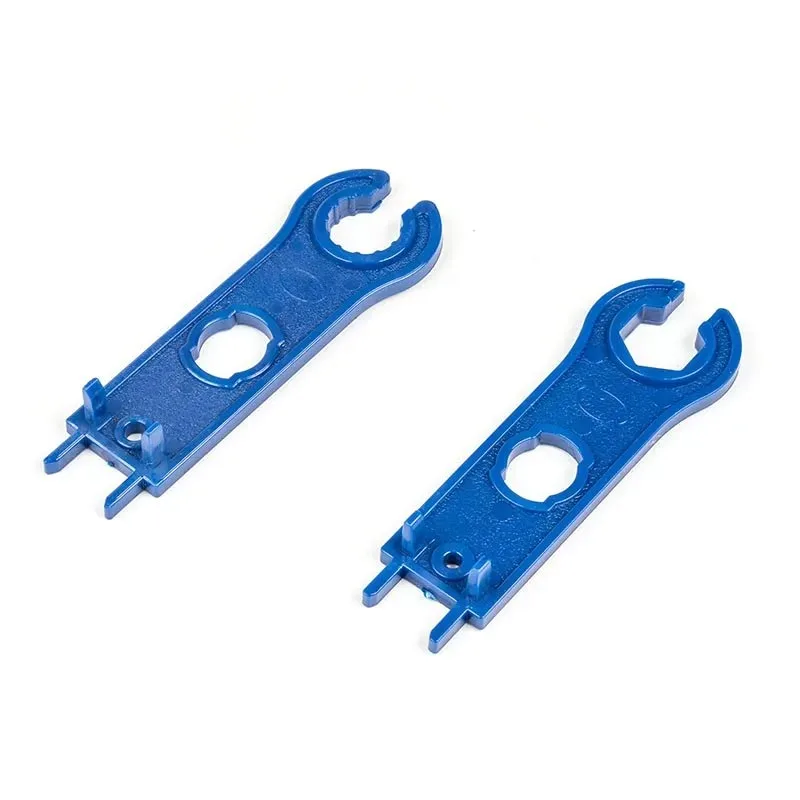
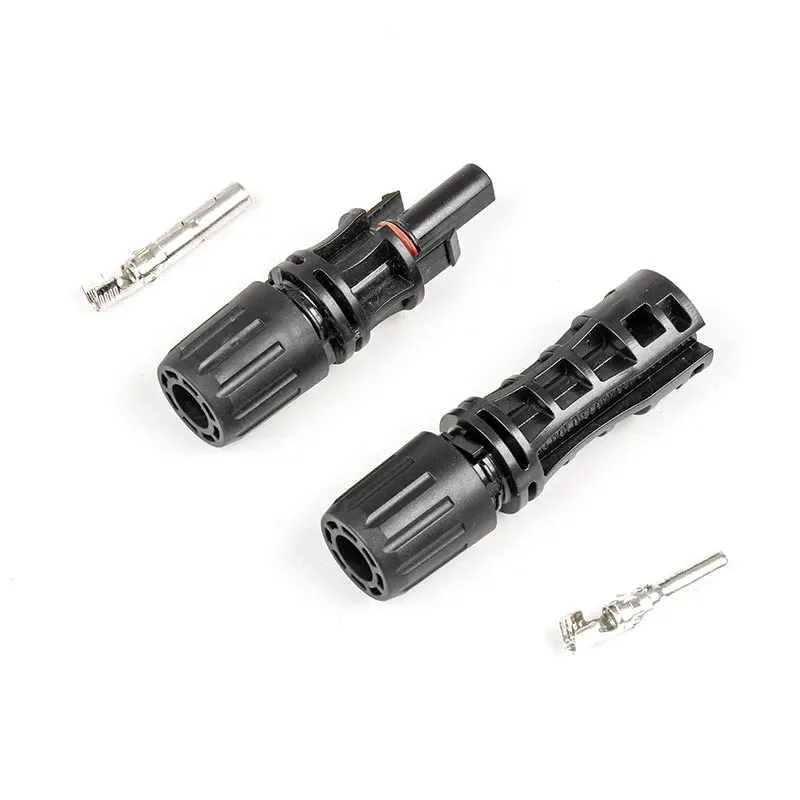
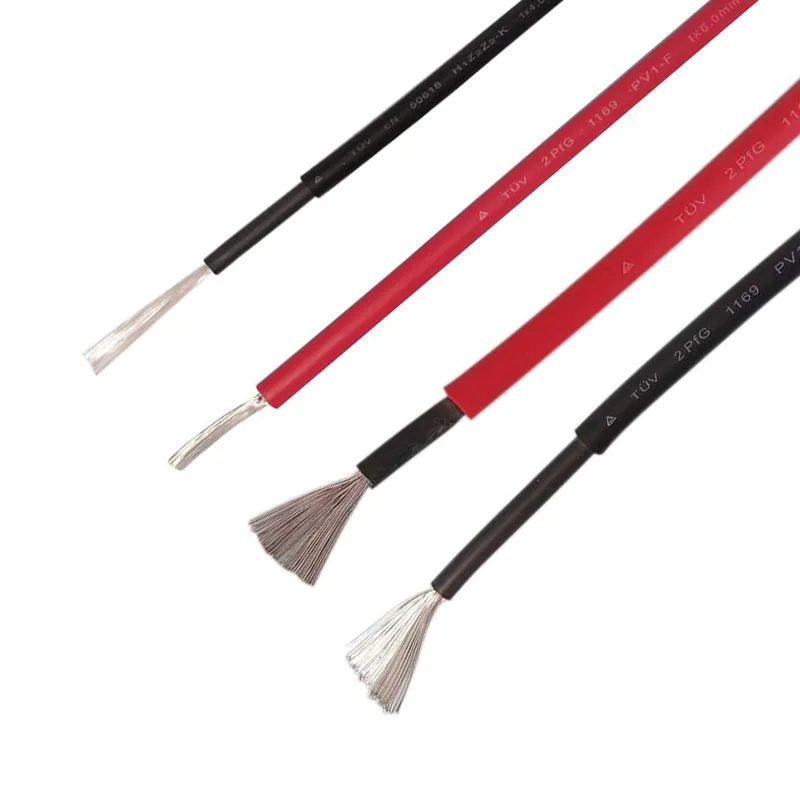
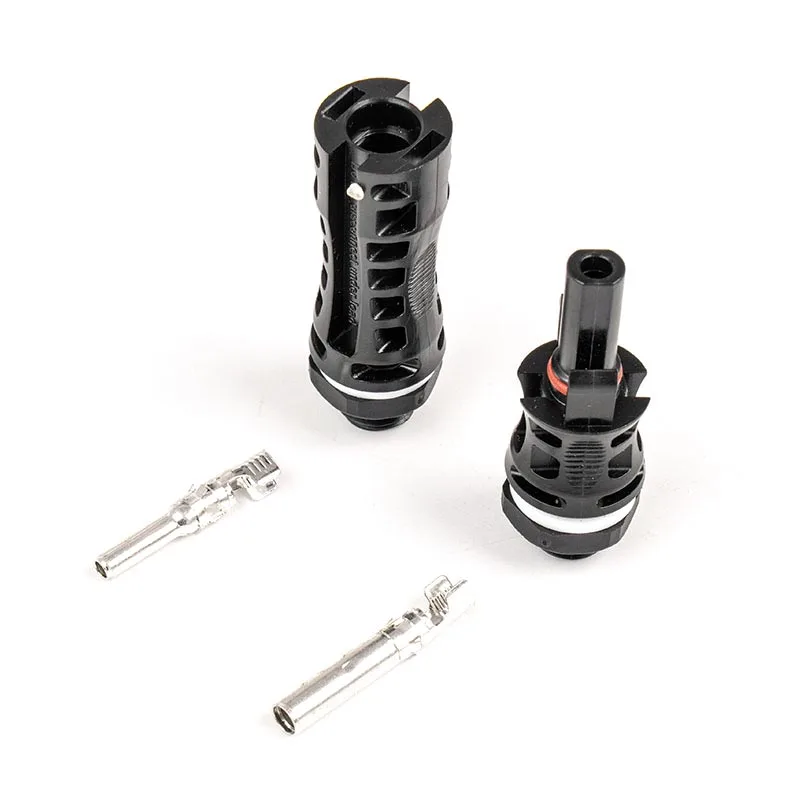
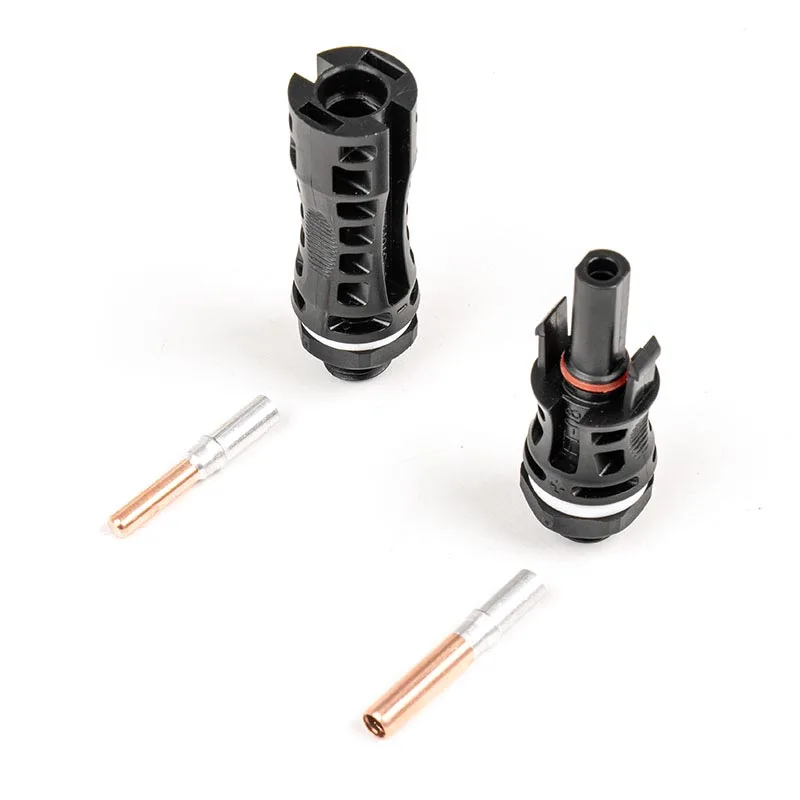
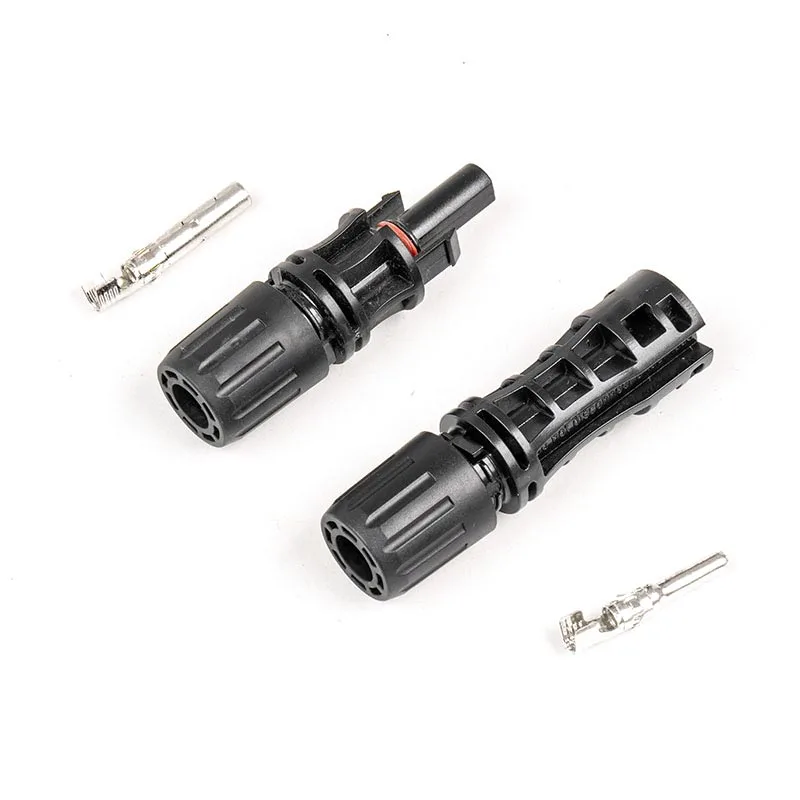
This comprehensive guide answers what solar cable connectors are, why they matter, how they differ by type, and how to choose the right one for your photovoltaic (PV) system. Solar cable connectors like MC4 help ensure safe, reliable DC connections between solar modules and other components. Throughout, we will explore standards, installation tips, safety considerations, FAQs, and real‑world uses, referencing industry sources for accuracy.
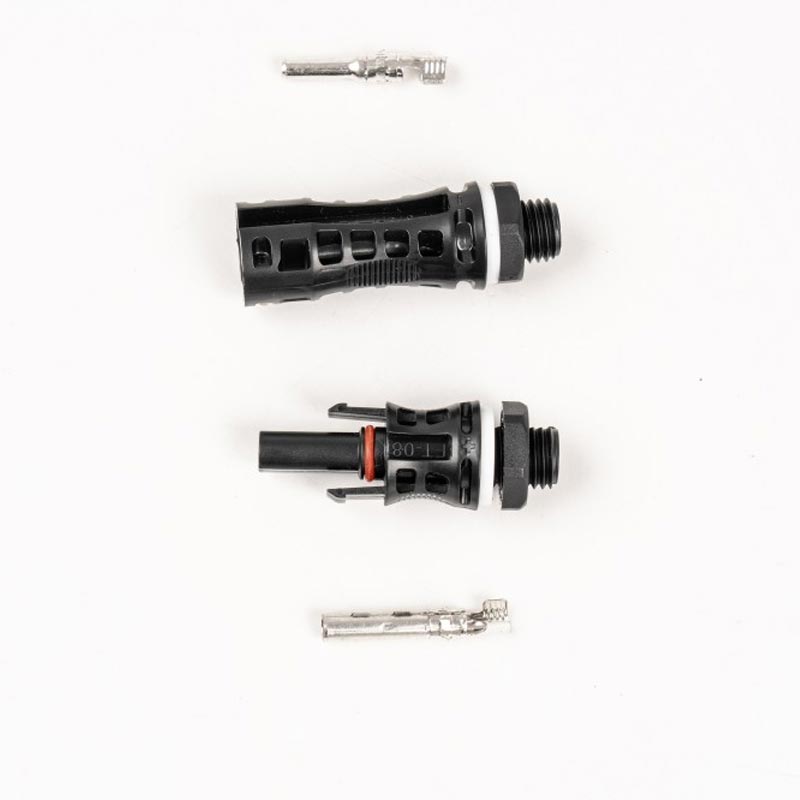
A solar cable connector is a specialized electrical plug designed to join photovoltaic (PV) cables from solar panels to other system components — such as inverters, charge controllers, or other panels — while providing weather resistance, secure locking, and high current handling.
These connectors are engineered specifically for the outdoors, with UV‑resistant insulation and robust sealing to withstand heat, moisture, dust, and other elements over years of service.
Solar cable connectors are critical because they:
A reliable connector enhances system uptime and prevents hazards like shorts or arcing under load.
Solar connectors come in pairs (male and female) that lock together to form a secure electrical link. The male part often contains a pin and the female contains a socket — ensuring correct polarity and secure mating.
When connected, they allow DC electricity generated by solar panels to flow safely to the next component in the PV chain (e.g., another panel or the inverter). Their mechanical design prevents accidental disconnects and keeps moisture and dust out of the electrical contact area.
There are multiple connector types used in solar installations, with different strengths and rating characteristics.
| Connector Type | Typical DC Voltage Rating | IP Rating | Notes |
|---|---|---|---|
| MC4 | Up to 1500V | IP67/IP68 | Industry standard. Easy push‑to‑connect locking. |
| MC3 | Up to ~1000V | IP65 | Older type largely replaced. |
| T4/H4 | Up to ~1000V | IP68 | Used in specific setups/regions. |
| Tyco/AMP | Variable | Varies | Legacy type; still in use on older arrays. |
Of these, MC4 connectors are the most common today because of their durability and global standardization.
Ingress Protection (IP) ratings indicate how well a connector is protected against dust and water. For outdoor PV systems, a rating of IP67 or higher is often preferred to ensure longevity and performance under rain, dust, and temperature changes.
Solar connectors with lower ratings can still work but may degrade faster in harsh climates.
Choosing the correct connector depends on:
Tip: Always follow manufacturer instructions for cable size and connector prep to maximize performance and safety.
Solar cable connectors are a small but vital component of any PV installation. Choosing high‑quality connectors like MC4, ensuring weather resistance, and following compatibility guidelines will help ensure a reliable power system.
This guide was written based on industry standards, reliable sources, and real‑world practices to support your solar installations.
Ningbo Dsola New Energy Technical Co., Ltd. offers high‑quality solar cables and connectors designed for long‑lasting performance and safety. For custom quotes, product specifications, and expert support, contact us today and power your solar projects with confidence.