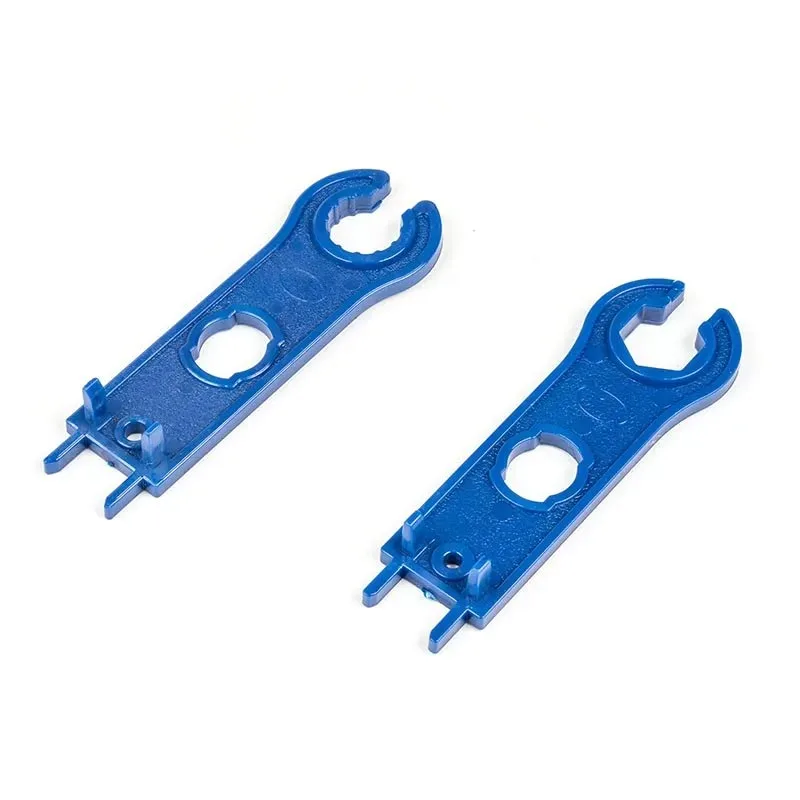
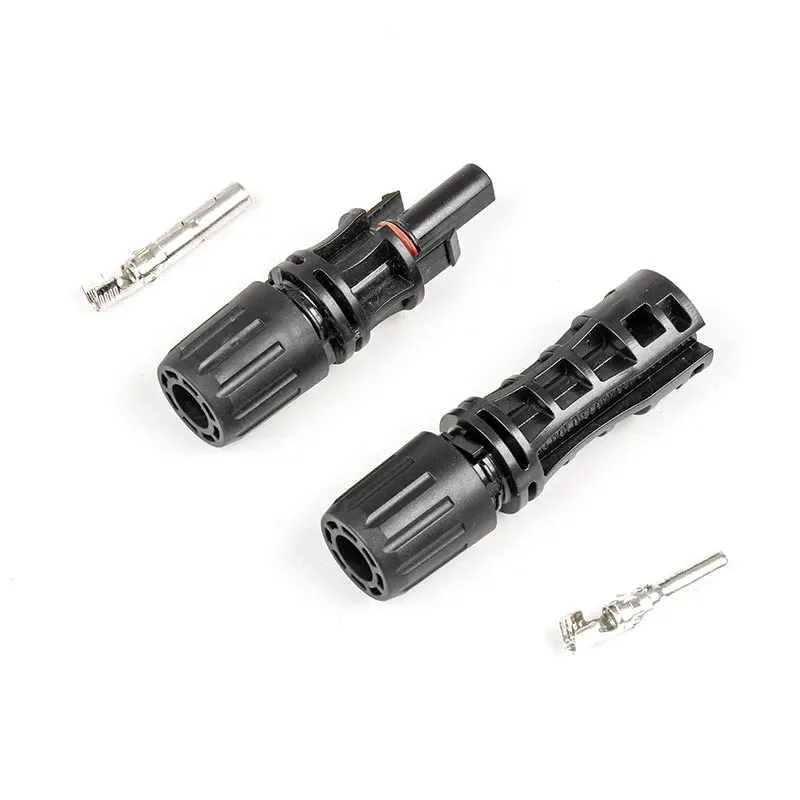
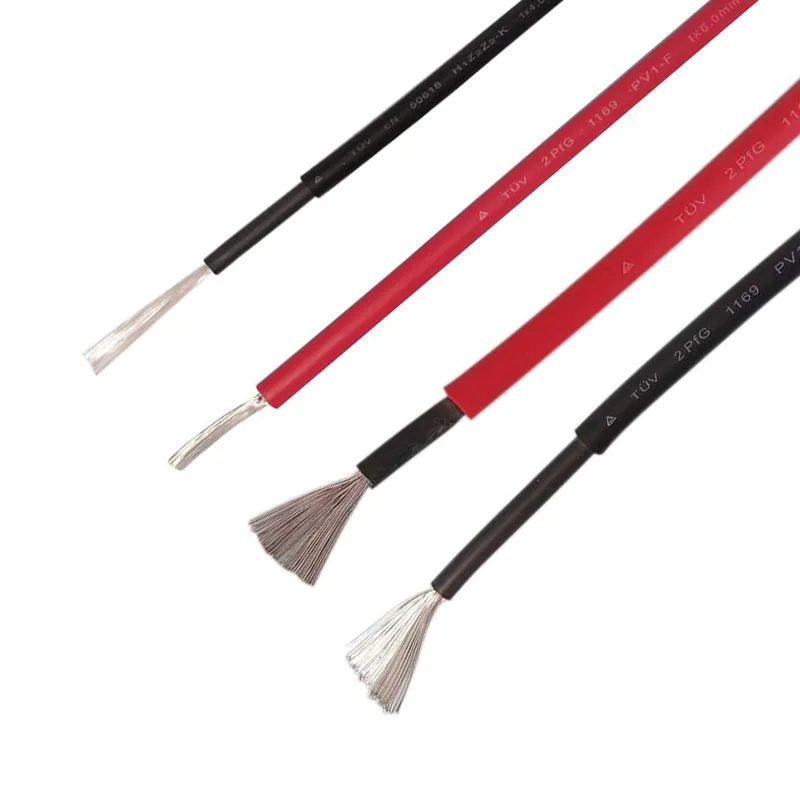
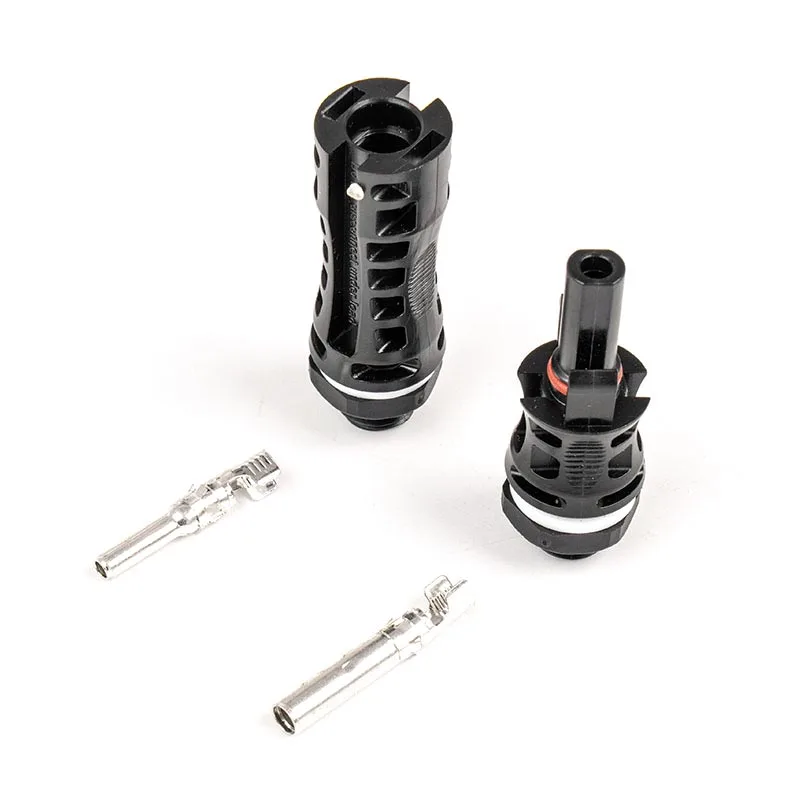
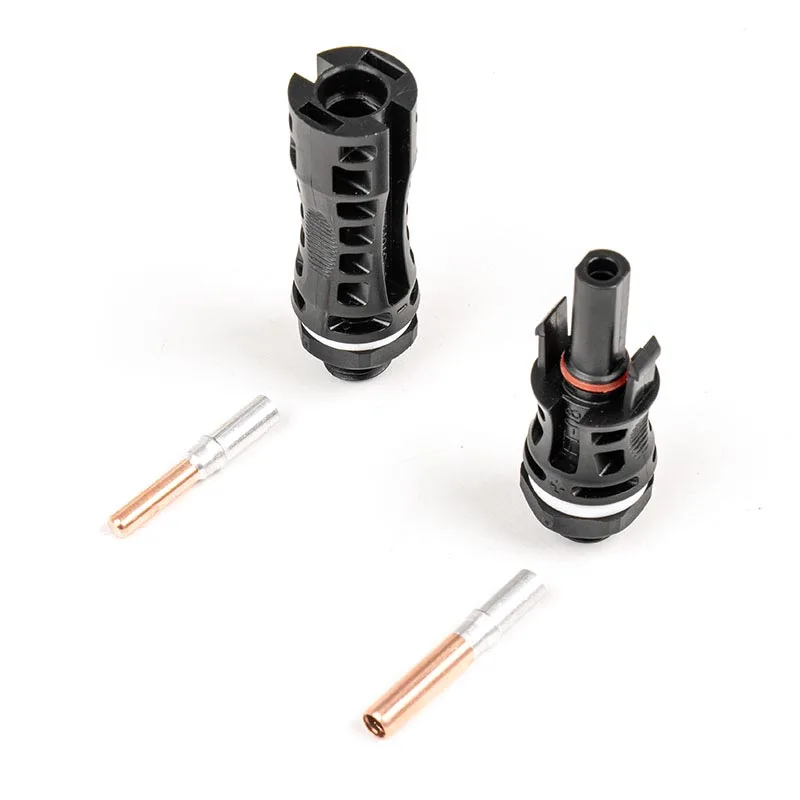
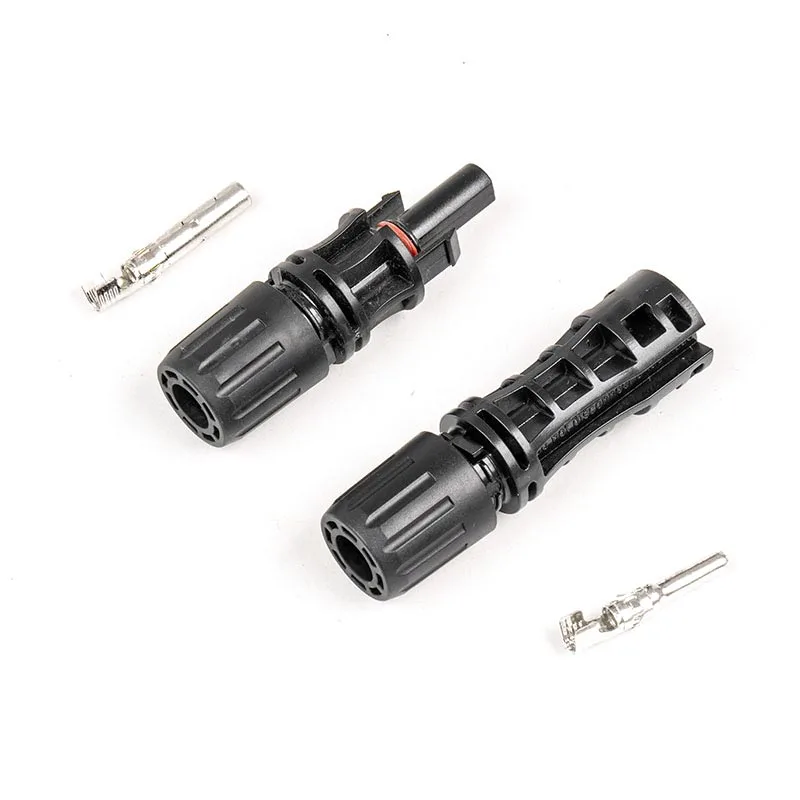

A Solar Branch Connector plays a vital role in modern photovoltaic (PV) systems by enabling safe, efficient, and reliable parallel connections between multiple solar panels. As solar installations grow in scale and complexity, the demand for high-quality branch connectors continues to increase. This article provides an in-depth explanation of what a Solar Branch Connector is, how it works, its advantages, technical specifications, application scenarios, and how to choose the right one for your solar project.

Table of Contents
- What Is a Solar Branch Connector?
- How Does a Solar Branch Connector Work?
- Which Types of Solar Branch Connectors Are Available?
- Why Are Solar Branch Connectors Important?
- What Are the Key Technical Parameters?
- Where Are Solar Branch Connectors Used?
- How to Choose the Right Solar Branch Connector?
- Why Choose Ningbo Dsola New Energy Technical Co., Ltd.?
- FAQ
What Is a Solar Branch Connector?
A Solar Branch Connector is a specialized electrical connector designed to combine multiple solar panel strings into a single output, typically in parallel configurations. It is commonly used in photovoltaic systems to simplify wiring, reduce installation time, and maintain stable current flow.
Unlike traditional wiring methods, a Solar Branch Connector ensures standardized connections, high insulation resistance, and strong environmental protection. Products from Ningbo Dsola New Energy Technical Co., Ltd. are widely recognized for their durability and compliance with international PV standards.
How Does a Solar Branch Connector Work?
Solar Branch Connectors operate by linking two or more positive or negative cables from solar panels into a single output. This parallel connection increases current while maintaining system voltage.
- Reduces cable clutter
- Ensures consistent electrical contact
- Minimizes power loss
- Improves system reliability
High-quality connectors from Ningbo Dsola New Energy Technical Co., Ltd. use precision-molded housings and copper alloy contacts to ensure long-term electrical stability.
Which Types of Solar Branch Connectors Are Available?
Solar Branch Connectors come in several configurations depending on system design requirements:
- 2-to-1 Y Branch Connectors
- 3-to-1 Y Branch Connectors
- 4-to-1 Multi-Branch Connectors
- MC4-compatible Branch Connectors
Why Are Solar Branch Connectors Important?
The importance of a Solar Branch Connector lies in its contribution to system safety, efficiency, and scalability.
- Enhances installation efficiency
- Improves electrical safety
- Supports modular system expansion
- Reduces maintenance costs
What Are the Key Technical Parameters?
| Parameter | Specification |
|---|---|
| Rated Voltage | 1000V / 1500V DC |
| Rated Current | 30A – 60A |
| Contact Material | Tinned Copper |
| Insulation Material | PPO / PA |
| Protection Level | IP67 / IP68 |
| Operating Temperature | -40°C to +85°C |
Where Are Solar Branch Connectors Used?
Solar Branch Connectors are widely applied across various photovoltaic systems:
- Residential rooftop PV systems
- Commercial solar installations
- Utility-scale solar power plants
- Off-grid and hybrid energy systems
How to Choose the Right Solar Branch Connector?
When selecting a Solar Branch Connector, consider the following factors:
- Voltage and current rating compatibility
- Environmental protection level
- Certification standards (TUV, IEC, UL)
- Manufacturer reliability
You can explore more about PV connection solutions through this solar connector manufacturer resource.
Why Choose Ningbo Dsola New Energy Technical Co., Ltd.?
Ningbo Dsola New Energy Technical Co., Ltd. specializes in high-performance photovoltaic connection solutions. With strict quality control, advanced production facilities, and global market experience, the company delivers reliable Solar Branch Connectors for diverse applications.
FAQ About Solar Branch Connectors
What is the main function of a Solar Branch Connector?
The main function is to connect multiple solar panel strings in parallel safely and efficiently while maintaining stable electrical performance.
Why are Solar Branch Connectors better than manual wiring?
They provide standardized connections, reduce installation errors, improve safety, and save installation time.
Which systems require Solar Branch Connectors?
They are required in residential, commercial, and utility-scale PV systems where multiple panel strings need parallel connections.
What certifications should a Solar Branch Connector have?
High-quality connectors should comply with IEC, TUV, and UL standards to ensure safety and durability.
How long does a Solar Branch Connector last?
With proper installation and quality materials, Solar Branch Connectors can last over 25 years, matching the lifespan of PV modules.
If you are looking for reliable, certified, and high-performance Solar Branch Connectors, contact us today to discuss your project requirements and discover how Ningbo Dsola New Energy Technical Co., Ltd. can support your solar business growth.