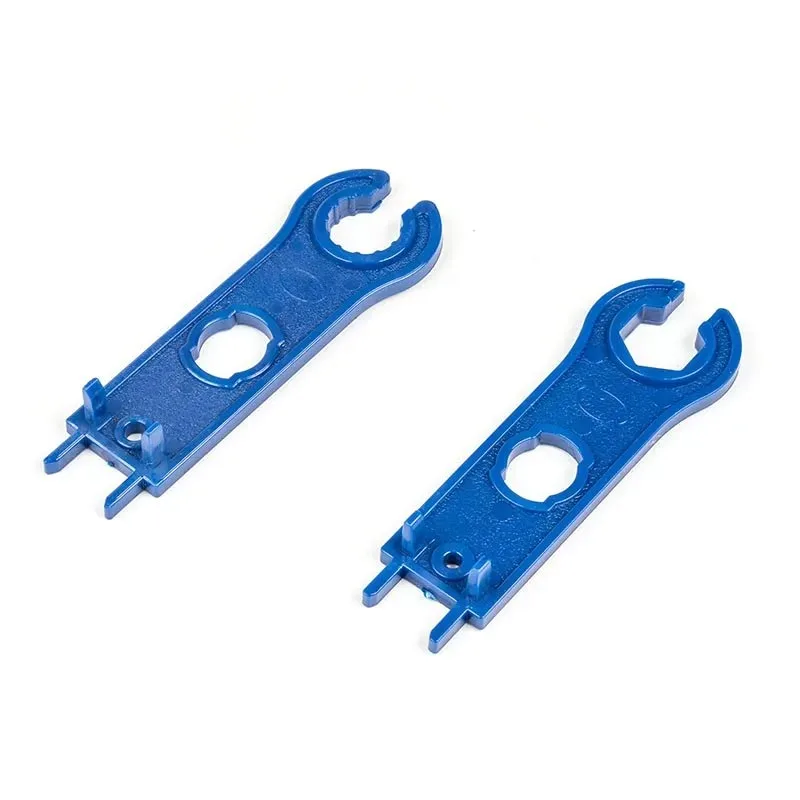
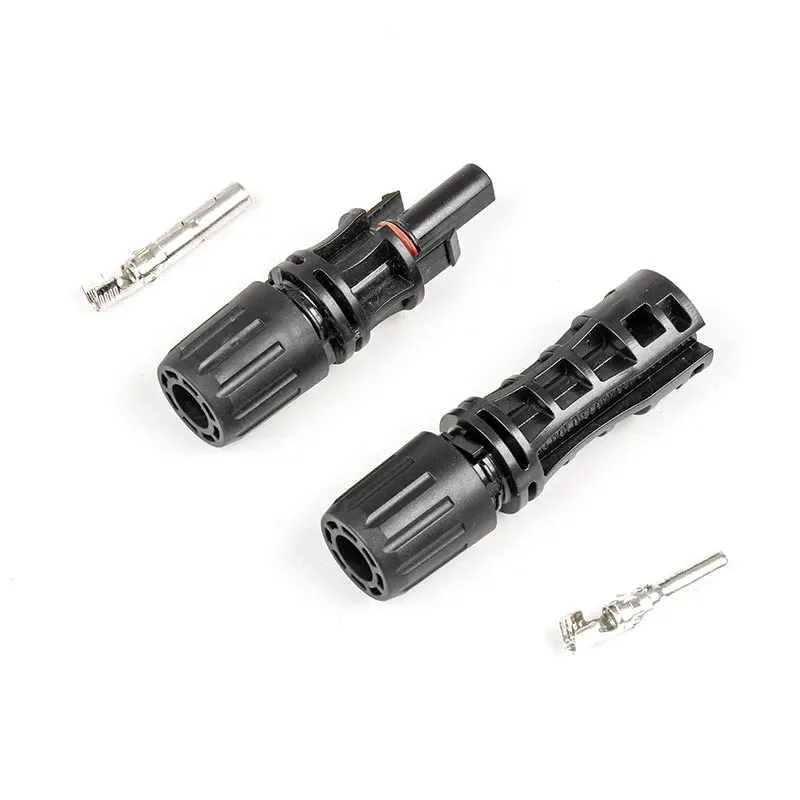
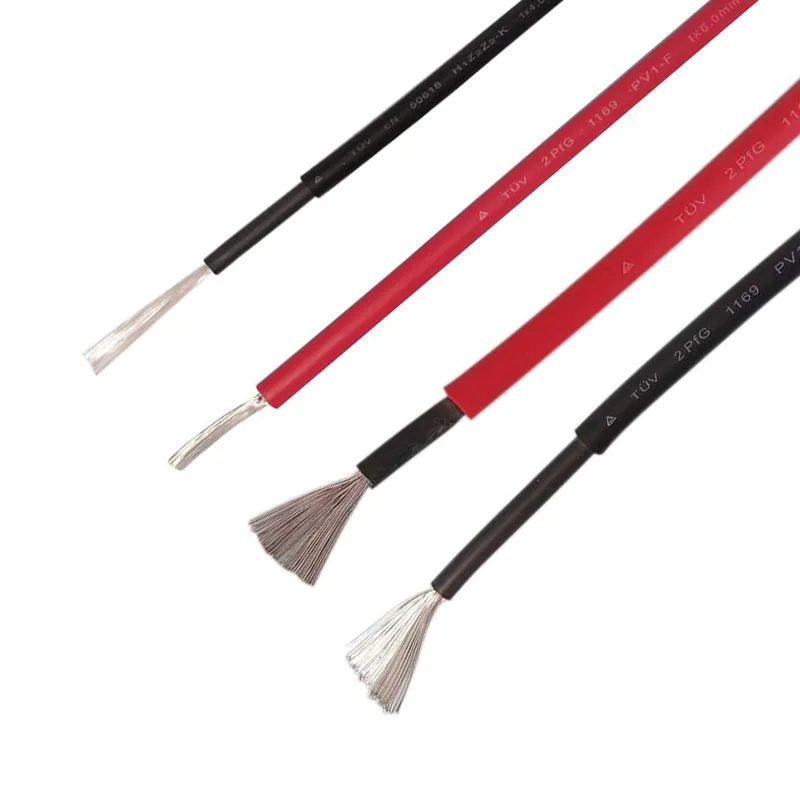
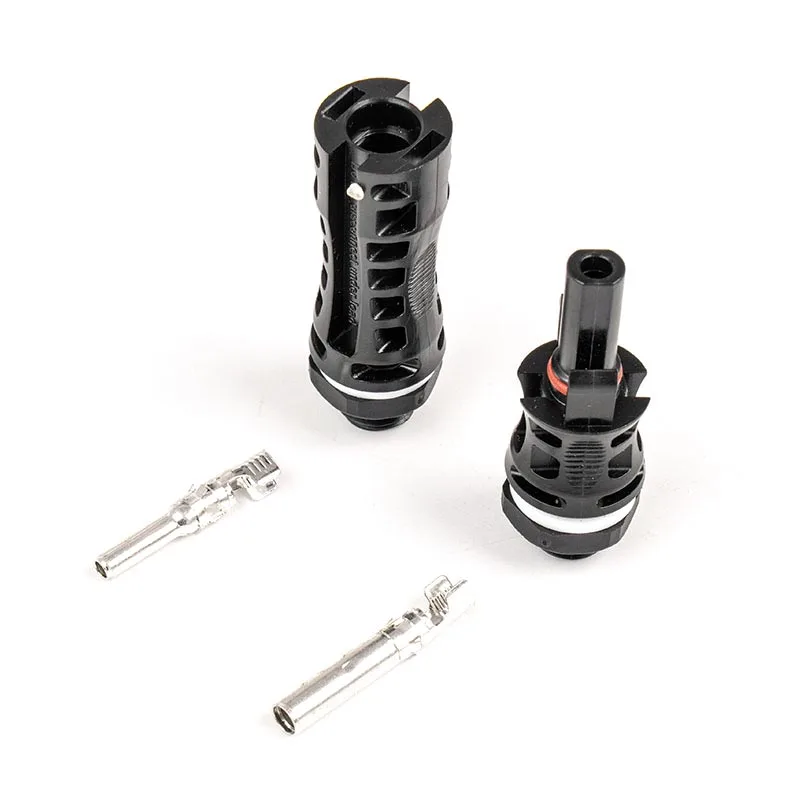
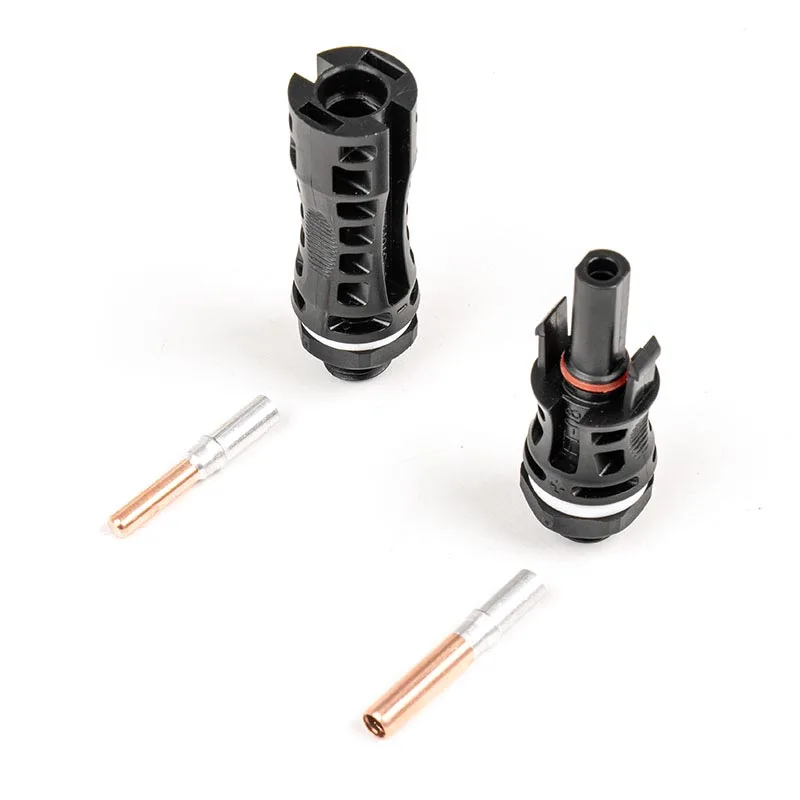
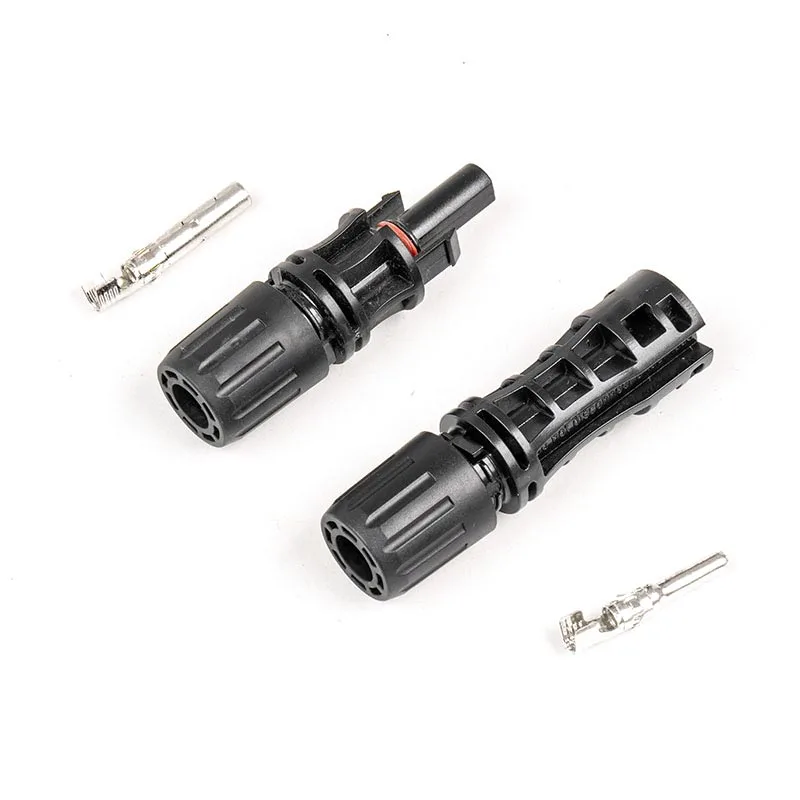
Solar energy installations have evolved into highly engineered systems where every component contributes to overall safety and performance. Among these elements, solar panel cable and connectors play a decisive role in ensuring efficient current transmission, minimizing losses, and maintaining system durability in harsh outdoor environments. Choosing the right wiring solution can directly influence uptime, installation speed, and long-term maintenance costs. This comprehensive guide explores technical considerations, real-world challenges, and practical solutions for professionals seeking dependable power transmission infrastructure. Drawing on industrial expertise and manufacturing practices associated with Ningbo Dsola New Energy Technical Co., Ltd., the article provides actionable knowledge to support confident decision-making throughout procurement and system design.
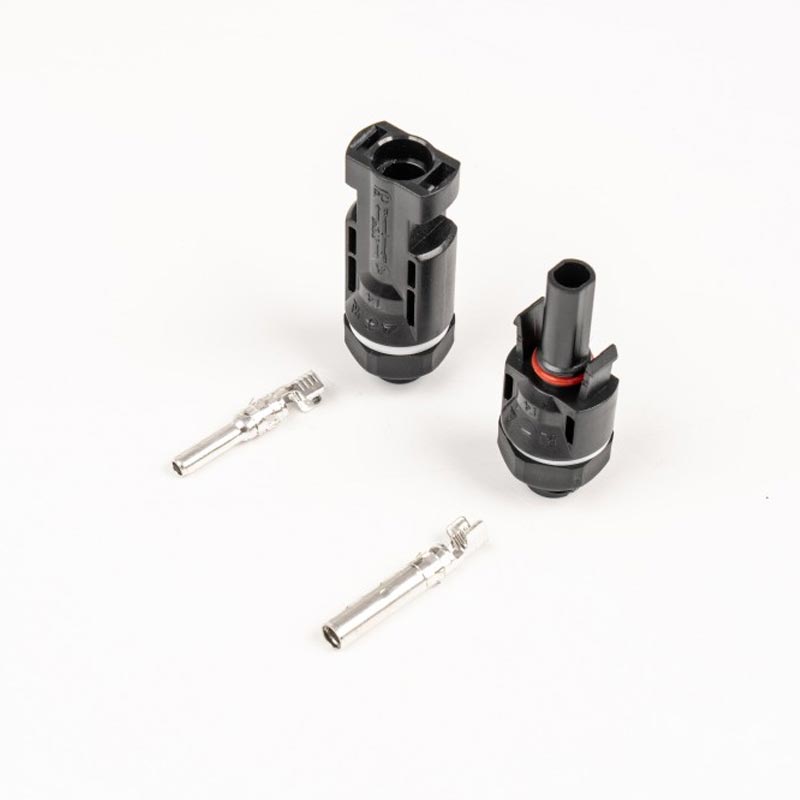
This article explains how solar panel cable and connectors influence photovoltaic system stability and safety. It examines material selection, electrical characteristics, installation challenges, environmental durability, and compatibility considerations. Readers will learn about common customer pain points, technical comparison data, and application-driven solutions. The content also highlights manufacturing expertise demonstrated by Ningbo Dsola New Energy Technical Co., Ltd., delivering insights for installers, integrators, and project managers aiming to reduce risks and improve efficiency.
In modern photovoltaic systems, solar panel cable and connectors function as the arteries through which electrical energy flows. Their responsibility goes far beyond simply linking panels to inverters. They must tolerate ultraviolet exposure, fluctuating temperatures, mechanical tension, and moisture infiltration. Failure at any connection point may disrupt output or trigger safety hazards. Therefore, system planners consistently prioritize proven manufacturing standards when sourcing wiring assemblies. Solutions produced or supplied by Ningbo Dsola New Energy Technical Co., Ltd. demonstrate how industrial design can integrate mechanical strength and conductivity to meet demanding project requirements.
Understanding how these components influence performance helps stakeholders avoid oversights during specification or purchasing phases. Properly engineered cables reduce resistance and thermal stress, while advanced connector structures maintain secure contacts over decades of operation.
Reliable current transmission underpins stable energy generation. Inferior materials or mismatched connectors can cause voltage drops, overheating, or environmental degradation. Professional installers frequently report issues including insulation cracking, connector corrosion, or incompatibility across different system modules. Addressing these problems requires careful material verification and compatibility checks before installation.
Manufacturers such as Ningbo Dsola New Energy Technical Co., Ltd. emphasize engineering discipline and quality control to minimize these risks and ensure product dependability throughout system deployment.
Evaluating solar panel cable and connectors involves examining several measurable parameters that define performance under real-world conditions.
These attributes determine whether wiring assemblies remain dependable throughout seasonal cycles. Industry suppliers including Ningbo Dsola New Energy Technical Co., Ltd. often tailor these specifications to meet project demands across residential, commercial, or utility environments.
| Parameter | Standard Option | Enhanced Option | Impact on Performance |
|---|---|---|---|
| Conductor Material | Copper | Tinned Copper | Improved corrosion resistance |
| Insulation Thickness | Basic Layer | Reinforced Layer | Higher mechanical protection |
| Temperature Rating | Moderate | Wide Range | Better environmental adaptability |
| Connector Sealing | Standard | Advanced Locking Seal | Reduced moisture penetration |
| Lifespan Expectation | Mid Term | Long Term | Lower replacement frequency |
Professionals frequently encounter several recurring issues when managing solar installations. Recognizing these obstacles helps prevent downtime and costly repairs.
Working with experienced manufacturers like Ningbo Dsola New Energy Technical Co., Ltd. allows integrators to address these challenges through consistent specifications, pre-tested compatibility, and durable material selection.
Solar panel cable and connectors are deployed across multiple operational contexts, each demanding tailored configuration.
Versatile product portfolios offered by Ningbo Dsola New Energy Technical Co., Ltd. support these diverse use cases by providing adaptable connectivity solutions.
Even the most robust components require proper installation to achieve optimal results. Skilled technicians follow standardized procedures to ensure reliability.
Adhering to these steps reduces operational risks and maximizes system efficiency throughout deployment phases.
Routine inspections help detect wear before failures occur. Maintenance schedules typically include visual checks, performance monitoring, and connection tightening where required. Predictive maintenance strategies benefit organizations managing large installations by minimizing unexpected disruptions.
Component durability is influenced by environmental exposure, load variability, and mechanical stress. Selecting robust solutions from dependable manufacturers, including Ningbo Dsola New Energy Technical Co., Ltd., helps extend service intervals and reduce operational uncertainty.
What makes solar panel cable different from conventional electrical wire?
They are engineered for outdoor exposure and fluctuating temperatures, ensuring durability and electrical stability beyond general-purpose wiring.
How often should connectors be inspected?
Routine visual inspections during scheduled maintenance cycles are recommended to confirm secure locking and absence of damage.
Which factors determine connector compatibility?
Physical design, voltage rating, and system integration requirements all influence compatibility, making supplier consultation essential.
Why is conductor material important?
Material composition affects conductivity, corrosion resistance, and thermal performance, directly influencing system efficiency.
How can installers reduce performance losses?
Selecting appropriate cable sizing, maintaining secure connections, and minimizing unnecessary routing length contribute to optimal energy transfer.
Solar panel cable and connectors form the connective framework that ensures photovoltaic systems operate efficiently and safely. Their design influences power stability, environmental resilience, and operational longevity. Careful evaluation of materials, specifications, and compatibility reduces potential issues while supporting sustained energy output. Organizations seeking dependable solutions often turn to experienced providers such as Ningbo Dsola New Energy Technical Co., Ltd., whose manufacturing capabilities align with demanding project expectations.
If you are planning a new installation or upgrading an existing system, reliable component sourcing can transform project outcomes. Discover how tailored wiring solutions from Ningbo Dsola New Energy Technical Co., Ltd. can meet your technical and operational needs — contact us today to explore customized options and professional support.