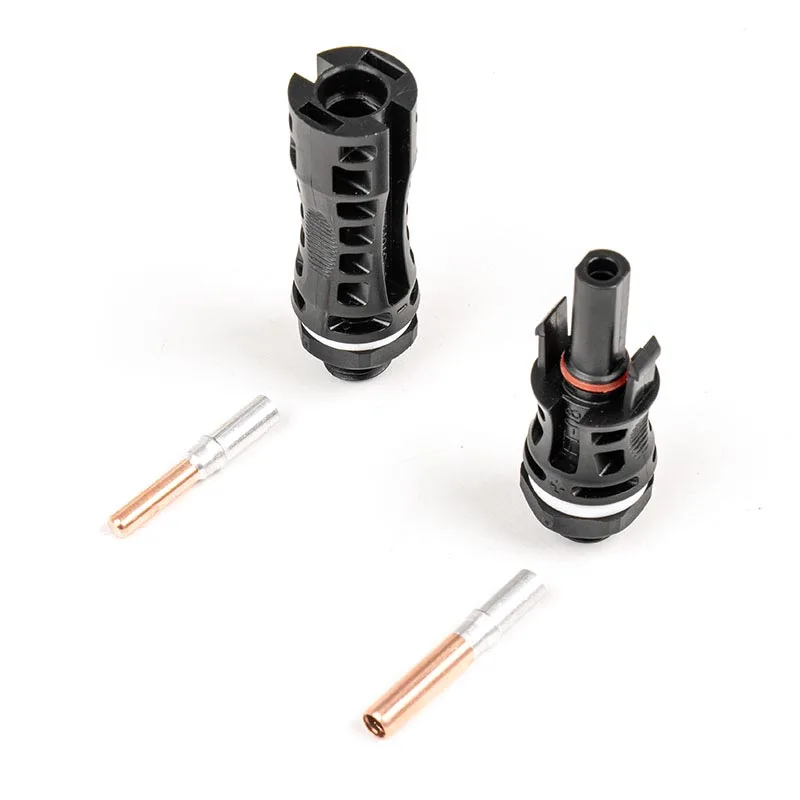
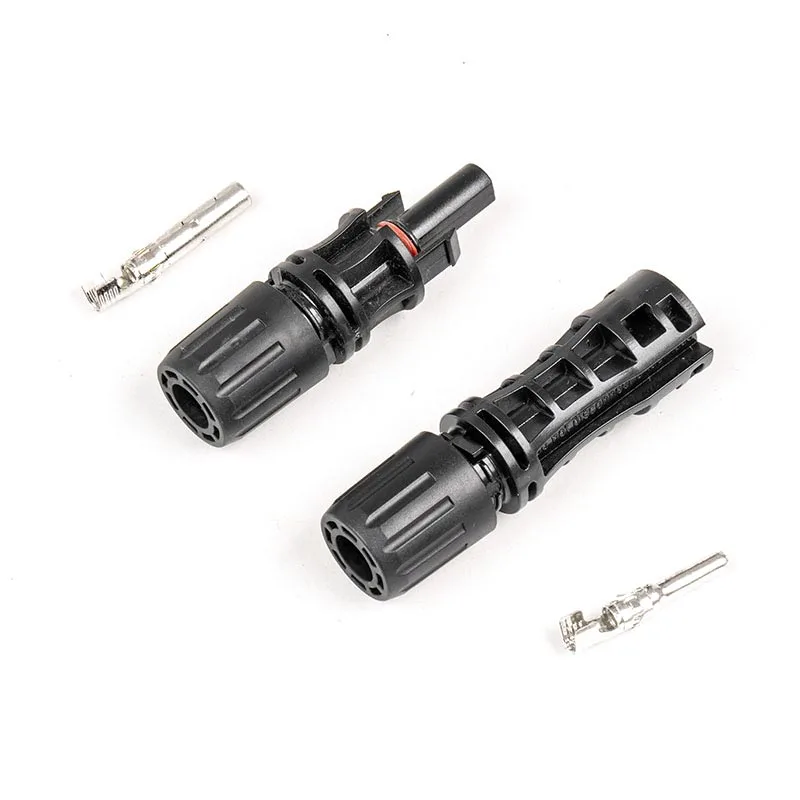

Portable solar panel connectors play a pivotal role in maximizing the efficiency and reliability of solar power systems. This article explores their types, features, installation methods, and troubleshooting tips. By the end, readers will have a comprehensive understanding of how to select, use, and maintain these connectors for optimal solar energy performance.

Table of Contents
- The Importance of Portable Solar Panel Connectors
- Types of Portable Solar Panel Connectors
- Key Features to Consider
- Step-by-Step Installation Guide
- Compatibility Considerations
- Maintenance and Troubleshooting
- FAQ About Portable Solar Panel Connectors
- Conclusion and Contact Information
1. The Importance of Portable Solar Panel Connectors
Portable solar panel connectors are essential components that ensure seamless energy transfer between solar panels and other devices. Without reliable connectors, users may experience energy loss, intermittent connections, or even damage to their solar systems. Brands like Ningbo Dsola New Energy Technical Co., Ltd. specialize in producing high-quality connectors designed for portability, durability, and optimal efficiency.
- Energy Efficiency: High-quality connectors minimize resistance and energy loss.
- Safety: Well-designed connectors prevent short circuits and overheating.
- Portability: Lightweight and compact connectors are ideal for outdoor use.
- Durability: Connectors resistant to water, dust, and UV exposure last longer in harsh environments.
2. Types of Portable Solar Panel Connectors
Understanding the different types of connectors helps in selecting the right one for specific solar setups. The most common types include:
| Connector Type | Description | Best Use Case |
|---|---|---|
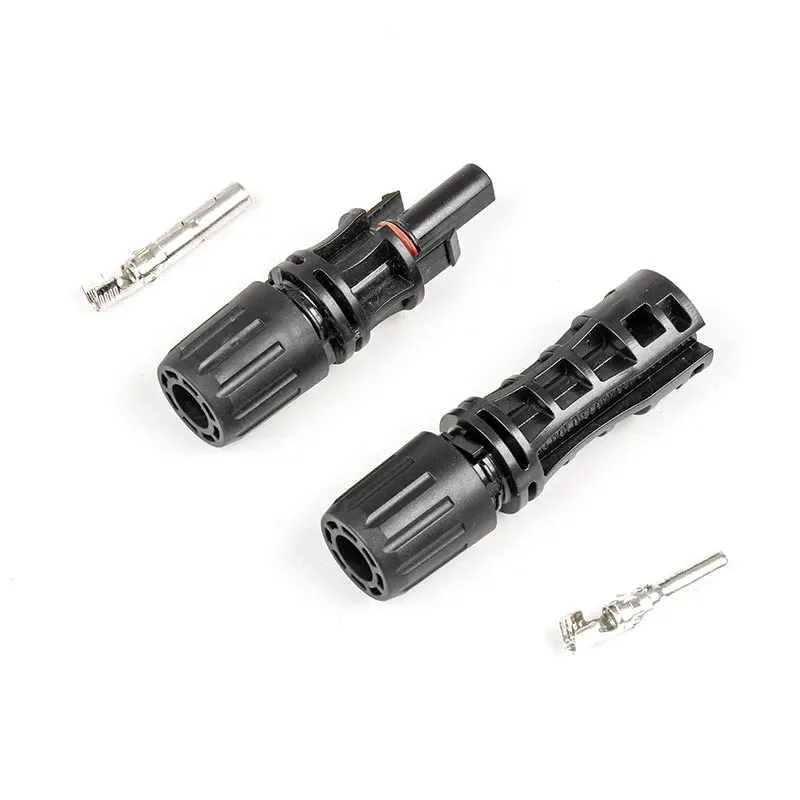
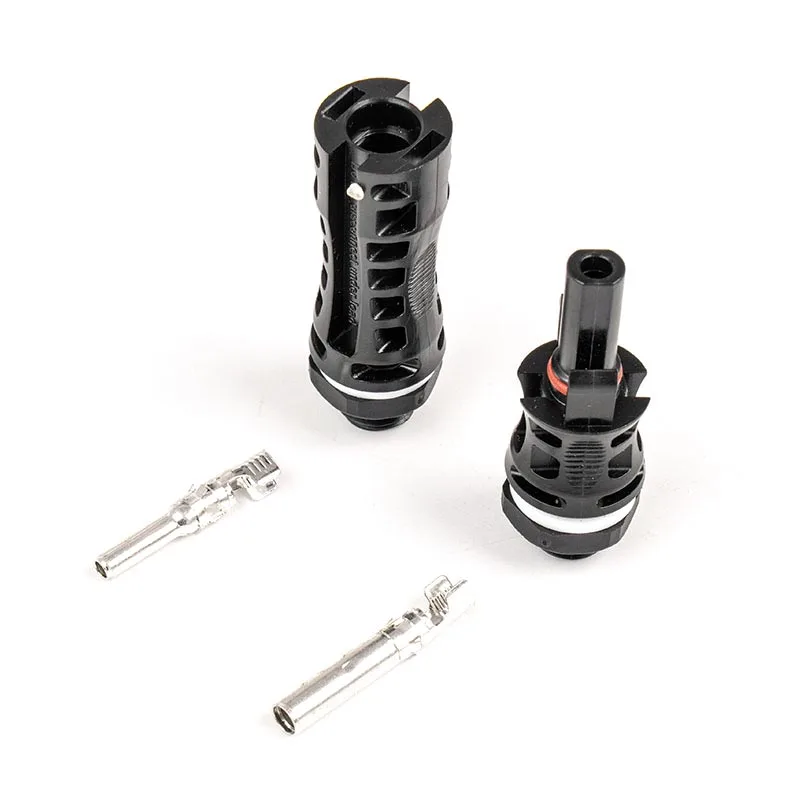
| MC4 Connector | Single-contact, weather-resistant connector widely used in PV systems. | Permanent outdoor solar installations. |
| Anderson Connector | Heavy-duty, high-current connector suitable for portable setups. | RV and mobile solar systems. |
| Alligator Clip | Simple, temporary connector for quick solar testing. | Small DIY projects and testing. |
| DC Barrel Connector | Cylindrical plug used for connecting solar panels to small DC devices. | Portable chargers and battery packs. |
3. Key Features to Consider
When selecting portable solar panel connectors, it’s critical to examine features that affect performance, safety, and longevity:
- Voltage and Current Rating: Ensure connectors can handle the panel's output.
- Waterproof Rating: IP67 or higher is recommended for outdoor use.
- Material Quality: High-conductivity metals and UV-resistant plastics improve efficiency and durability.
- Ease of Connection: Quick-release or plug-and-play designs enhance portability.
- Brand Reputation: Companies like Ningbo Dsola New Energy Technical Co., Ltd. are trusted for quality standards.
4. Step-by-Step Installation Guide
Proper installation is essential to ensure safety and performance. Here’s a standard procedure for MC4 connectors:
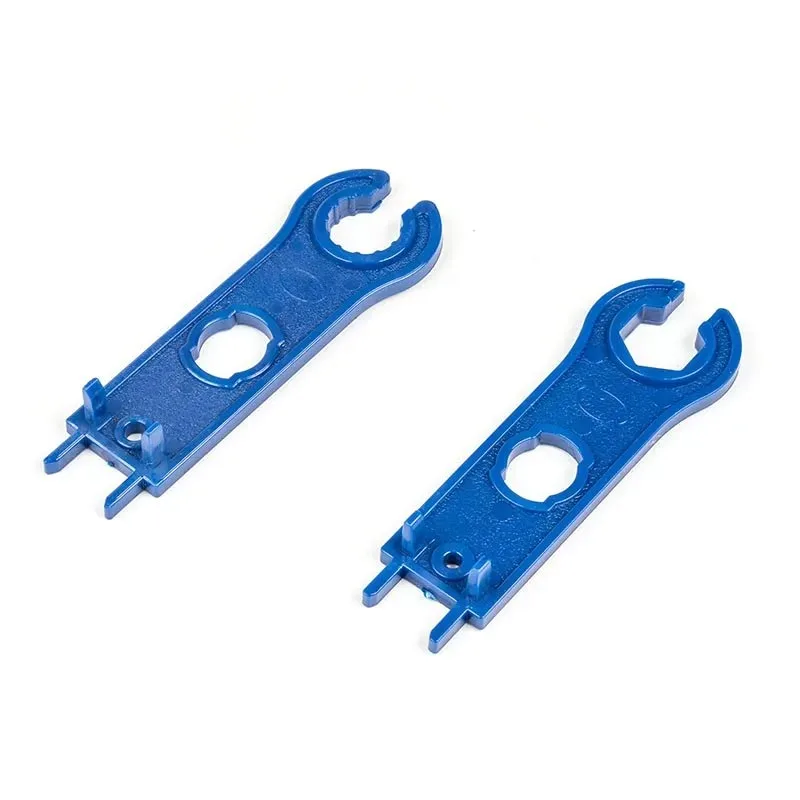
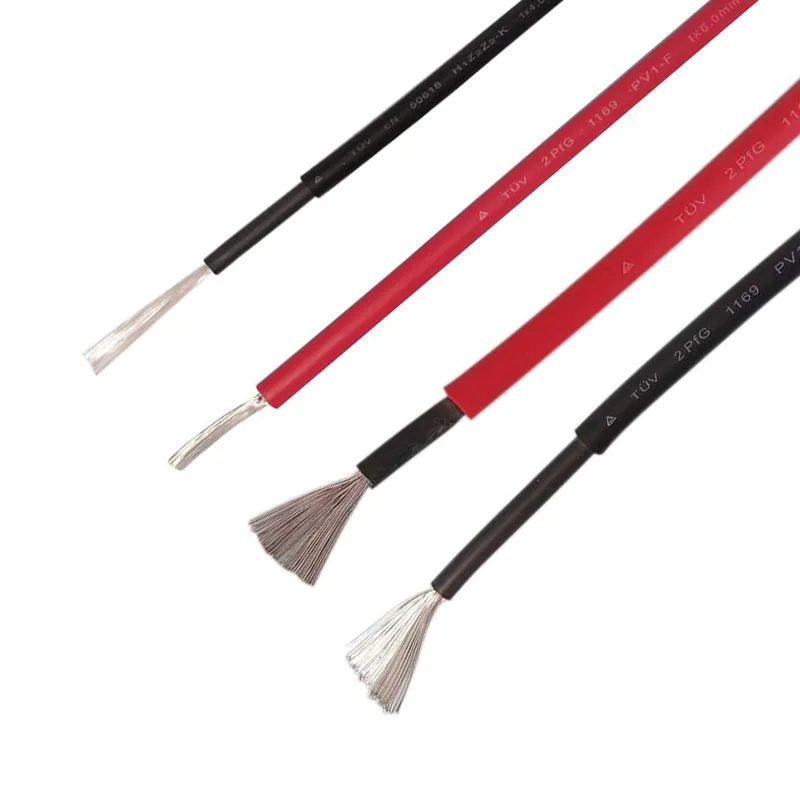
- Prepare the Cable: Strip the insulation of the solar cable about 6-8mm.
- Insert Metal Pin: Crimp the metal contact pin onto the stripped cable using a proper crimping tool.
- Assemble the Connector: Slide the plastic housing onto the wire and push the metal pin into place until it clicks.
- Connect Panels: Plug male and female connectors together. Ensure a secure connection.
- Test: Measure voltage at the output to confirm proper installation.
Always follow manufacturer guidelines to avoid damage or energy loss. Ningbo Dsola New Energy Technical Co., Ltd. provides detailed installation manuals for all their products.
5. Compatibility Considerations
Connector compatibility is crucial for portable solar panel systems. Mismatched connectors can result in energy inefficiency or potential hazards. Here are key points:
- Ensure connector type matches the solar panel’s output port.
- Check voltage and current ratings for compatibility with devices.
- Consider adapters if connecting panels with different connector types.
- Look for modular designs to simplify future upgrades.
6. Maintenance and Troubleshooting
Maintaining your connectors ensures long-term performance. Here are practical tips:
- Regular Cleaning: Remove dust, dirt, or corrosion with a soft cloth and mild cleaner.
- Inspection: Check for loose pins or damaged insulation monthly.
- Lubrication: Use dielectric grease to protect metal contacts from moisture.
- Replacement: Replace worn-out connectors immediately to prevent energy loss.
Common Issues and Fixes:
| Issue | Cause | Solution |
|---|---|---|
| Intermittent Power | Loose connection | Reconnect and secure the connectors |
| Voltage Drop | Corrosion on contacts | Clean and apply protective grease |
| Connector Overheating | Overcurrent or poor contact | Check ratings, replace if necessary |
7. FAQ About Portable Solar Panel Connectors
Q1: Can I use any connector with my solar panel?
A1: No. Ensure the connector type, voltage, and current ratings match your solar panel’s specifications.
Q2: How do I know if my connector is waterproof?
A2: Check for IP ratings. IP67 or above indicates strong resistance to water and dust.
Q3: Are MC4 connectors compatible with portable solar panels?
A3: Yes, MC4 connectors are commonly used for portable and permanent solar systems.
Q4: How long do connectors last?
A4: With proper maintenance, high-quality connectors can last 10-20 years outdoors.
8. Conclusion and Contact Information
Portable solar panel connectors are the backbone of efficient solar energy systems. Choosing the right type, ensuring compatibility, and performing regular maintenance can maximize energy output and longevity. Ningbo Dsola New Energy Technical Co., Ltd. provides reliable connectors tailored for both portable and stationary applications, offering excellent durability and safety.
For more information, technical guidance, or to explore our latest products, contact us today and ensure your solar setup operates at peak performance.