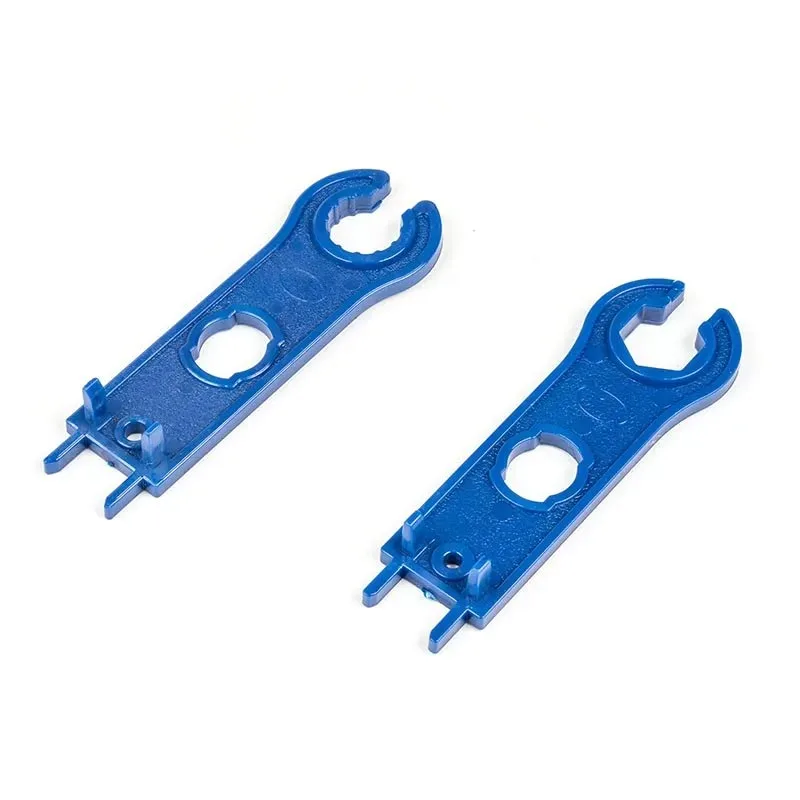
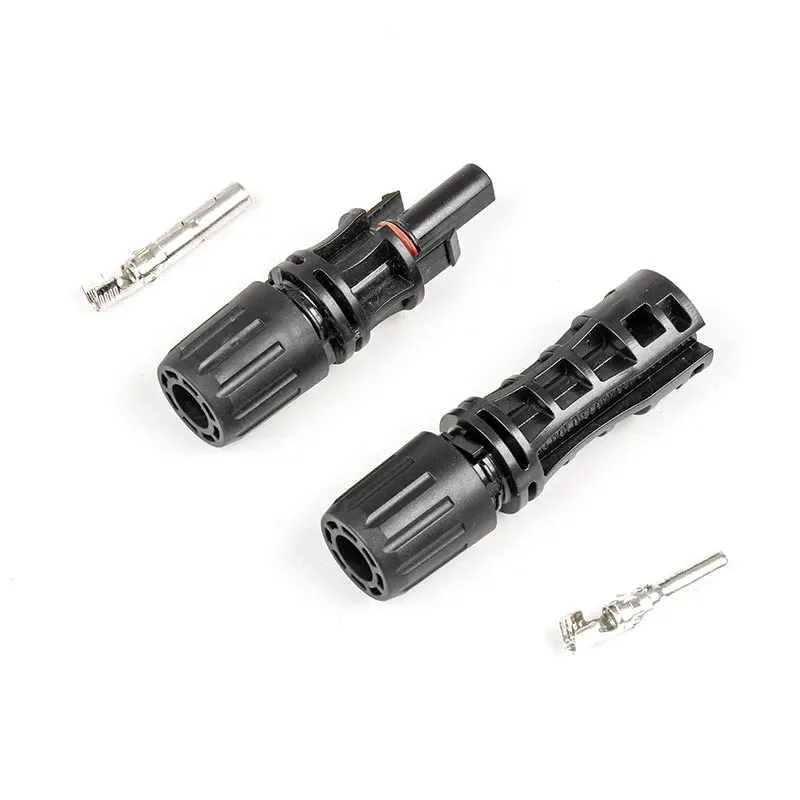
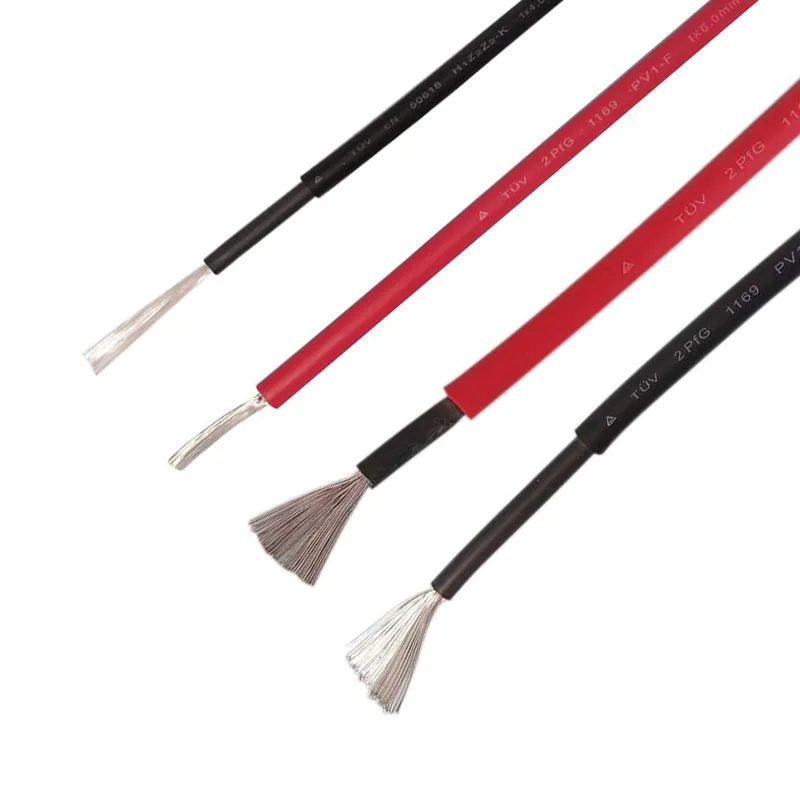
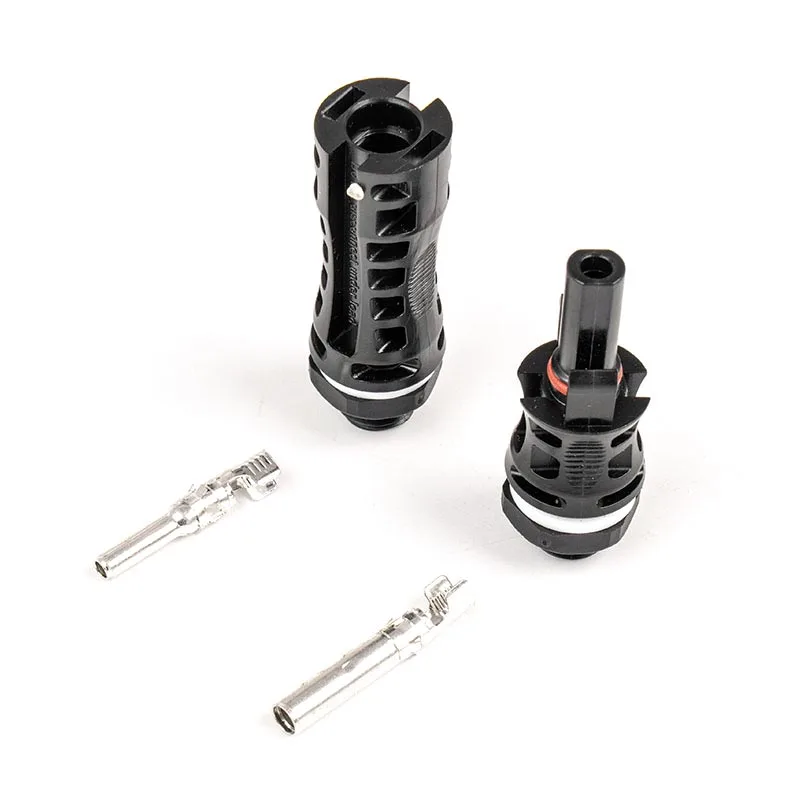
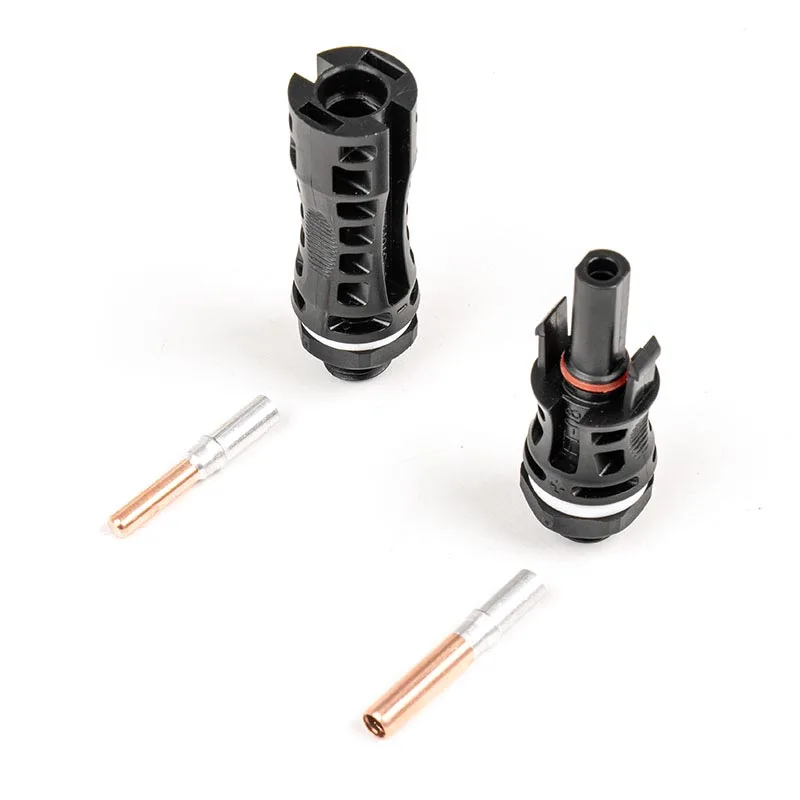
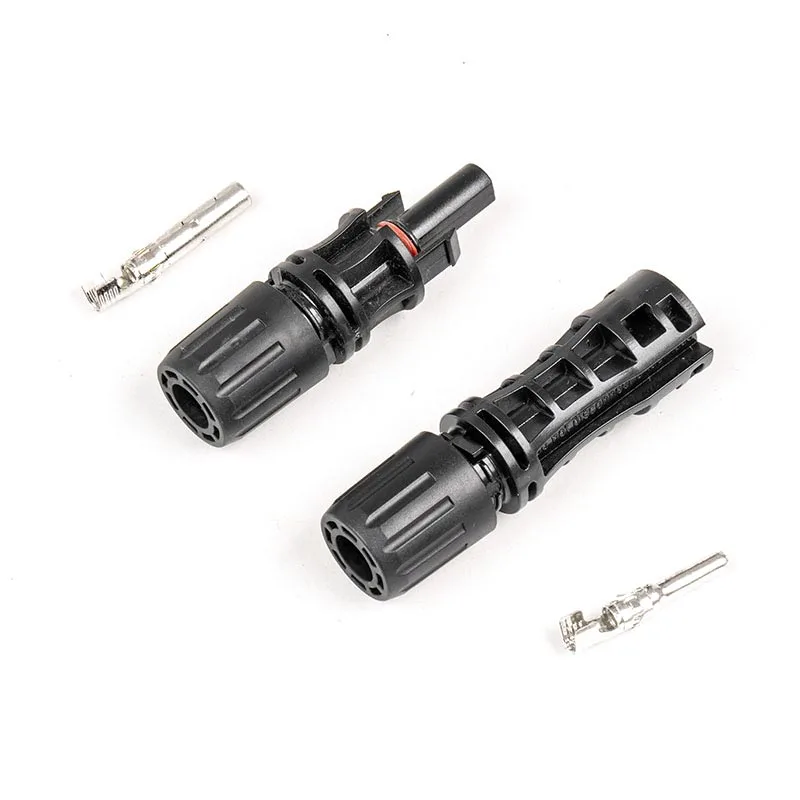
Choosing the right solar connector is one of the most important decisions for long-term photovoltaic system safety and performance. A TUV certified solar panel connector ensures stable current transmission, weather resistance, fire protection, and compatibility for residential, commercial, and industrial solar applications.
As global demand for renewable energy grows, the importance of high-quality solar connectors has increased dramatically. Many solar system failures originate from poor electrical connections, overheating, incompatible plugs, or low-quality materials. This comprehensive guide explains why TUV certified solar panel connectors matter, how they improve safety and efficiency, what buyers should look for, and how professional manufacturers like Ningbo Dsola New Energy Technical Co., Ltd. help customers build dependable solar energy systems worldwide.

A solar panel connector with TUV certification is a specialized electrical connector tested and approved according to international safety and performance standards. These connectors are designed specifically for photovoltaic systems and ensure secure electrical transmission between solar panels, inverters, combiner boxes, and other components.
TUV certification demonstrates that the connector has undergone rigorous testing for:
Manufacturers such as Ningbo Dsola New Energy Technical Co., Ltd. focus on producing durable and internationally compliant solar connectors for modern photovoltaic installations.
Solar power systems operate continuously under harsh outdoor conditions. Connectors are exposed to sunlight, rain, dust, temperature fluctuations, and high voltage for many years. Without proper certification, the risk of failure increases significantly.
| Certification Benefit | Impact on Solar System |
|---|---|
| Electrical Safety | Reduces overheating and short circuits |
| Weather Resistance | Protects against moisture and UV damage |
| Long-Term Reliability | Ensures stable performance for years |
| Compliance Assurance | Supports international project approvals |
| Reduced Maintenance | Minimizes repair and replacement costs |
Many solar project developers require TUV certified connectors because insurance companies and local regulations often prioritize verified safety components.
Inferior solar connectors may appear similar externally, but poor internal design and low-grade materials can create severe operational issues.
In large solar farms, a single faulty connector can affect multiple panels and lead to expensive downtime. This is why professional EPC contractors strongly prefer certified products.
Premium solar connectors include advanced engineering features designed for harsh outdoor applications.
| Feature | Function |
|---|---|
| High Conductivity Copper Core | Improves current transmission efficiency |
| IP67/IP68 Waterproof Rating | Prevents water ingress |
| UV Resistant Housing | Protects against sunlight degradation |
| Flame Retardant Materials | Enhances fire protection |
| Secure Locking Mechanism | Prevents accidental disconnection |
| Wide Temperature Resistance | Supports extreme climates |
Reliable manufacturers pay close attention to precision molding, contact resistance optimization, and material stability.
Residential homeowners want safe and maintenance-free systems, while commercial developers require high efficiency and operational stability. Certified connectors help satisfy both demands.
In residential systems, connector reliability reduces electrical hazards and protects rooftop investments. In commercial and industrial projects, dependable connectors minimize downtime and maximize energy output.
Material selection directly impacts durability, conductivity, and environmental resistance.
High-performance solar connectors generally use:
Low-grade plastics can crack under UV exposure, while poor-quality metals may oxidize rapidly. Premium manufacturing ensures stable operation for decades.
Solar installations are continuously exposed to rain, snow, humidity, and dust. Waterproof protection is therefore essential.
TUV certified connectors typically achieve IP67 or IP68 ratings, meaning they can resist water immersion and prevent moisture-related failures.
| Environmental Factor | Potential Risk |
|---|---|
| Rainwater | Short circuits and corrosion |
| Humidity | Oxidation of metal contacts |
| Dust | Reduced contact stability |
| Temperature Changes | Seal expansion and contraction |
Proper sealing technology dramatically extends connector service life and improves overall photovoltaic system safety.
Compatibility is a major concern in solar engineering projects. Poorly matched connectors can create resistance issues and safety risks.
Certified connectors are manufactured with standardized dimensions and connection structures, allowing smoother integration with solar modules and cables.
For large-scale solar farms, installation speed directly affects project timelines and operational costs.
Buyers should evaluate multiple factors before selecting solar connectors.
| Selection Factor | Why It Matters |
|---|---|
| Certification Validity | Ensures tested safety compliance |
| Current Rating | Supports system electrical load |
| Voltage Rating | Matches photovoltaic system design |
| Waterproof Rating | Improves outdoor durability |
| Temperature Range | Supports local climate conditions |
| Manufacturer Experience | Indicates production reliability |
Choosing experienced suppliers such as Ningbo Dsola New Energy Technical Co., Ltd. can help ensure consistent product quality and technical support.
| Category | TUV Certified Connector | Non-Certified Connector |
|---|---|---|
| Safety Testing | Strictly tested | Often unverified |
| Material Quality | Premium engineered materials | Inconsistent materials |
| Durability | Long-term outdoor performance | Shorter lifespan |
| Waterproof Protection | High IP ratings | Limited protection |
| Fire Resistance | Flame retardant | May not meet standards |
| Project Approval | Easier compliance acceptance | Possible regulatory rejection |
While non-certified connectors may appear cheaper initially, they often lead to higher maintenance and replacement expenses later.
Even premium connectors benefit from regular inspection and preventive maintenance.
Preventive maintenance improves energy efficiency and reduces unexpected downtime.
As solar technology evolves, connectors are becoming smarter, more durable, and easier to install.
Emerging trends include:
Manufacturers investing in innovation will continue supporting the growing global transition toward renewable energy infrastructure.
It means the connector has passed internationally recognized safety and performance tests for photovoltaic applications.
Solar connectors ensure stable electrical transmission between photovoltaic components and help prevent power loss or overheating.
Yes. Poor electrical contact can increase resistance and significantly reduce overall energy output.
Premium certified connectors are designed for long-term outdoor use and can often operate reliably for more than 25 years.
Absolutely. Waterproof protection is essential for outdoor solar systems exposed to rain, humidity, and dust.
Ningbo Dsola New Energy Technical Co., Ltd. focuses on reliable photovoltaic connection solutions with strict quality control, durable materials, and professional manufacturing standards.
Looking for dependable Solar Panel Connector With TUV Certified solutions for your photovoltaic projects? Ningbo Dsola New Energy Technical Co., Ltd. provides high-quality solar connectors designed for safety, durability, and long-term performance.
Contact us today to discuss your solar connector requirements, custom solutions, and global cooperation opportunities.