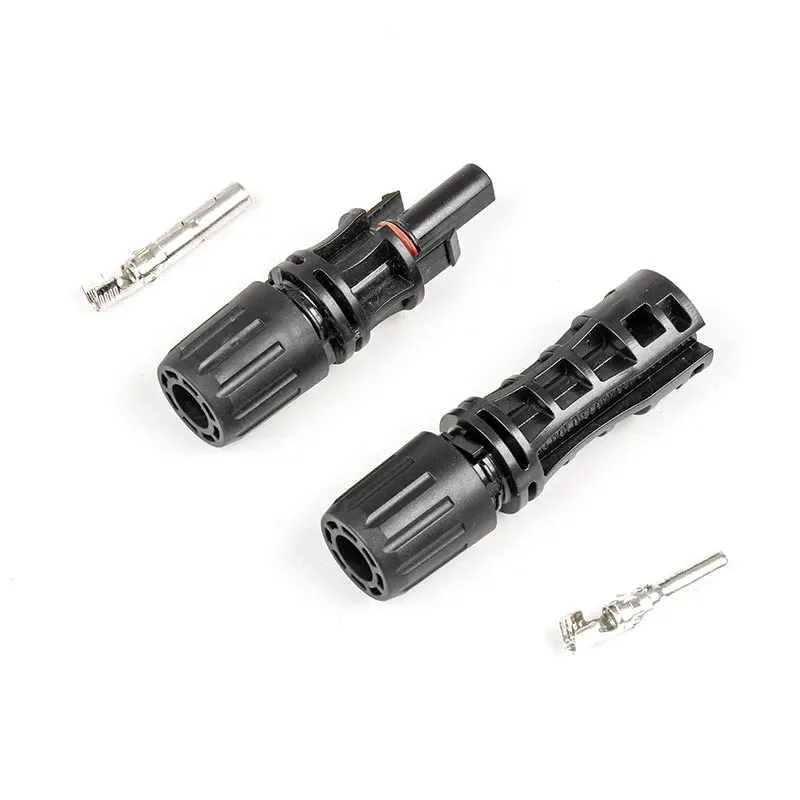
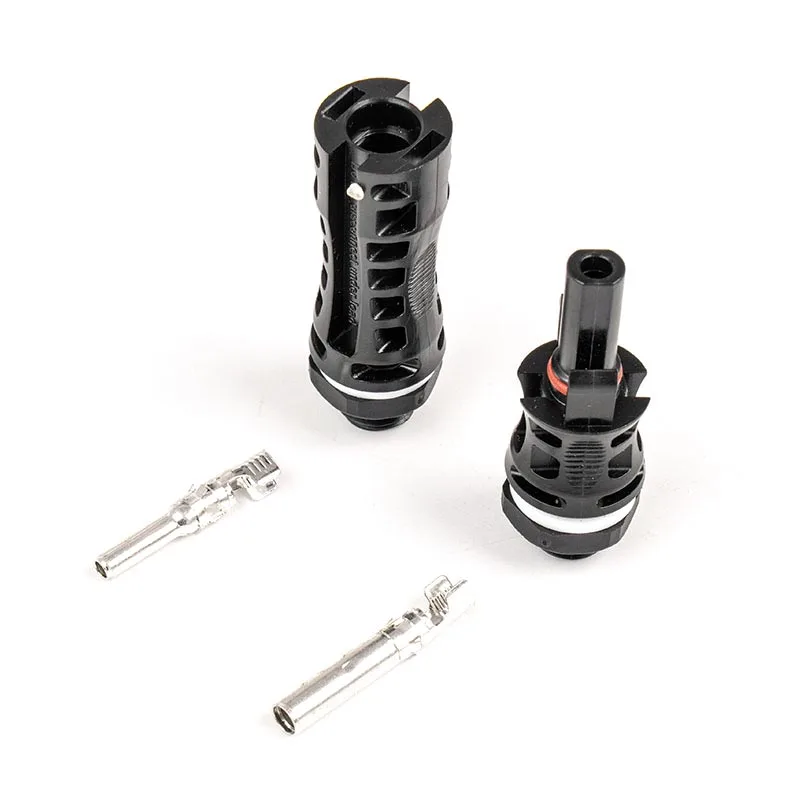
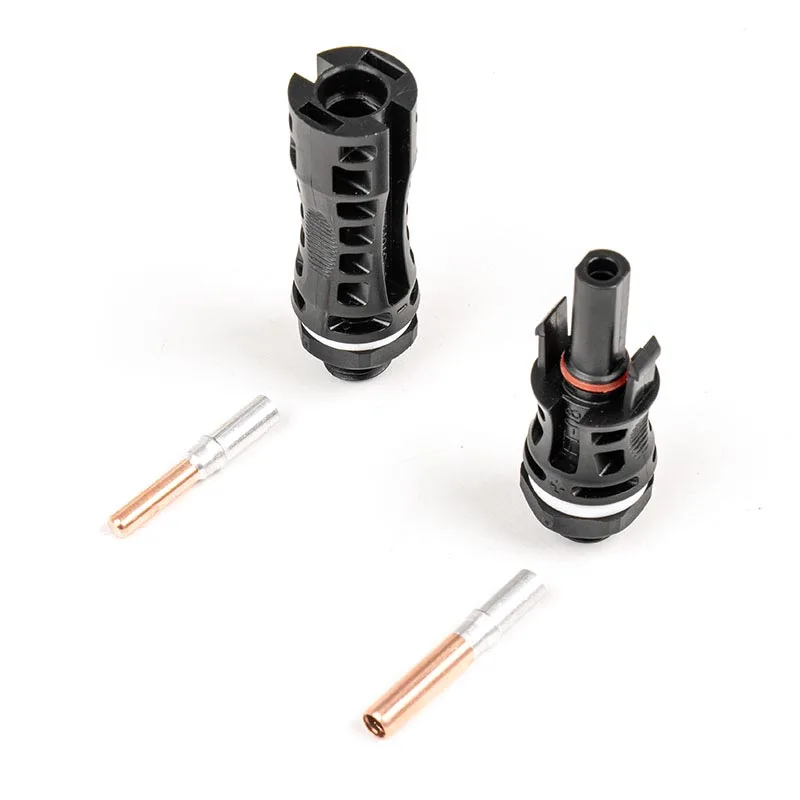
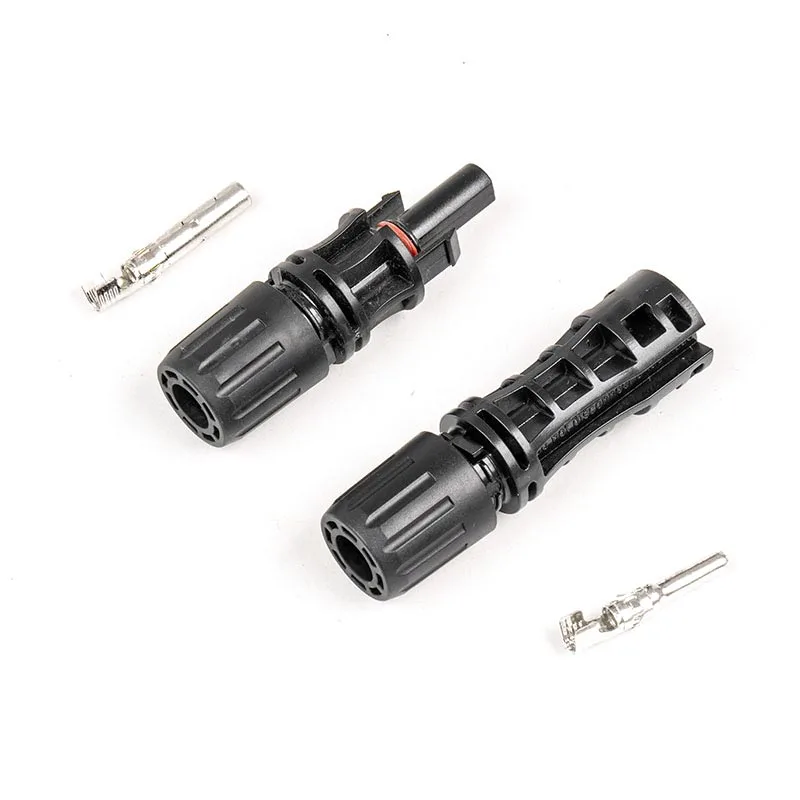
As global solar installations continue to expand, Dsola notes growing attention to the electrical safety performance of the Solar Cable Connector 1500v, particularly its rated impulse voltage capability in demanding photovoltaic environments.
The rapid growth of photovoltaic projects has brought more attention to components that often receive little public discussion. While solar panels and inverters frequently dominate industry conversations, cable connectors play an equally important role in ensuring stable power transmission and long-term system reliability.
One specification that often raises questions among project planners, engineering teams, and maintenance professionals is rated impulse voltage. When a Solar Cable Connector is described as having a rated impulse voltage of 6–8kV, what exactly does that mean, and why is it important for modern solar installations?
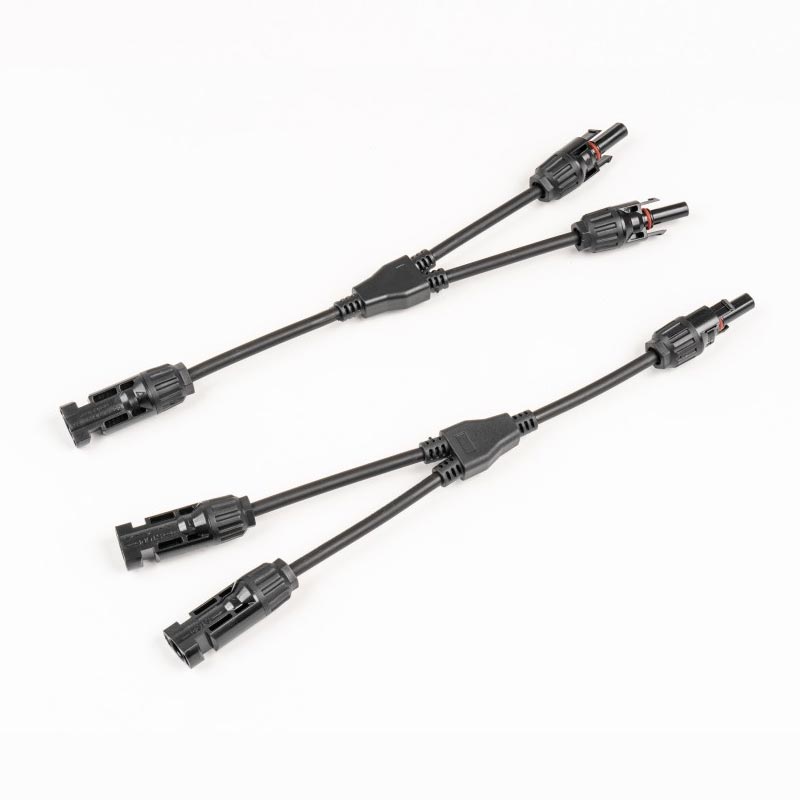
Rated impulse voltage refers to the maximum short-duration voltage surge that an electrical connector can withstand without suffering insulation failure or permanent damage.
Unlike normal operating voltage, which remains relatively stable during daily operation, impulse voltage occurs suddenly and lasts only a very short time. These surges may be caused by:
- Lightning strikes near a solar installation
- Switching operations in electrical equipment
- Grid disturbances
- Electromagnetic interference
- Unexpected transient overvoltage events
The rated impulse voltage indicates the connector's ability to survive these temporary electrical stresses while maintaining insulation integrity.
The abbreviation "kV" stands for kilovolts, or one thousand volts.
A rated impulse voltage of:
- 6kV = 6,000 volts
- 8kV = 8,000 volts
Although a connector may normally operate at 1000V or 1500V DC, it can occasionally experience short spikes significantly above those levels.
A connector designed for 6–8kV impulse resistance provides an additional safety margin against unexpected transient events.
Solar power systems are often installed in locations where environmental conditions can be challenging.
Examples include:
- Open agricultural land
- Industrial rooftops
- Desert solar farms
- Coastal installations
- Mountain regions
These environments expose equipment to weather changes and atmospheric electrical activity.
A common misconception is that only direct lightning strikes create electrical risks.
In reality, nearby lightning activity can induce voltage surges in cables and electrical circuits. Even when lightning never touches the solar array directly, transient voltages can travel through connected wiring.
This is one reason why modern photovoltaic standards place increasing emphasis on insulation coordination and surge protection.
The answer lies in both material selection and structural design.
Many advanced connector designs utilize engineering-grade insulation materials that offer:
- High dielectric strength
- UV resistance
- Thermal stability
- Moisture resistance
- Long-term outdoor durability
These characteristics help prevent electrical breakdown when sudden voltage spikes occur.
The internal contact structure is equally important.
Copper conductors with low contact resistance help ensure:
- Efficient current transfer
- Reduced energy loss
- Lower operating temperatures
- Stable electrical performance
When transient voltages appear, a well-designed contact system of Solar Cable Connector 1500v contributes to maintaining connection integrity.
Outdoor photovoltaic systems face continuous exposure to:
- Rain
- Dust
- Humidity
- Temperature fluctuations
IP67 protection levels help prevent contaminants from entering the connector body, reducing the likelihood of insulation degradation over time.
Many people confuse these two specifications.
Operating voltage is the voltage level under normal conditions.
For example:
- Rated System Voltage: 1500V DC
- Continuous Operation: Up to 1500V
- Application: Photovoltaic Power Systems
Impulse voltage measures the connector's resistance to short-duration voltage spikes.
For example:
- Rated Impulse Voltage: 6–8kV
- Duration: Microseconds
- Purpose: Surge Protection Capability
Think of operating voltage as the speed limit of a vehicle, while impulse voltage represents the ability to withstand unexpected road impacts without damage.
Large-scale solar projects increasingly adopt 1500V architectures instead of traditional 1000V systems.
Several factors drive this transition.
Higher voltage allows lower current for the same power output.
Benefits include:
- Lower cable losses
- Improved efficiency
- Reduced heat generation
Higher voltage strings often require:
- Less cabling
- Fewer combiner boxes
- Simplified layouts
This can improve overall project efficiency and maintenance accessibility.
Large photovoltaic plants often seek optimized balance-of-system performance. Higher voltage systems contribute to reducing infrastructure requirements while supporting energy output targets.
As system voltage increases, connector insulation performance becomes even more important, making impulse voltage ratings a critical consideration.
Solar installations are expected to operate for decades.
During this period, connectors may experience:
Summer temperatures on rooftops can exceed ambient air temperatures significantly.
Connector materials must maintain performance without deformation or insulation deterioration.
Continuous sunlight exposure can degrade ordinary plastics.
UV-resistant housing materials help maintain mechanical strength and electrical insulation.
Outdoor systems are constantly exposed to environmental contamination.
Proper sealing technology helps preserve performance throughout the system lifecycle.
Daily temperature changes cause repeated expansion and contraction.
High-quality connector designs accommodate these stresses while maintaining secure electrical contact.
When evaluating a Solar Cable Connector 1500v, several specifications deserve attention.
| Parameter | Typical Specification |
| Rated Voltage | Up to 1500V DC |
| Rated Current | 20A–50A |
| Contact Resistance | ≤0.5mΩ |
| Impulse Voltage | 6–8kV |
| Safety Class | Class II |
| Parameter | Description |
| Locking System | Snap-in Connection |
| Termination Method | Crimping |
| Insertion Force | <50N |
| Withdrawal Force | >50N |
| Parameter | Value |
| Protection Rating | IP67 |
| Operating Temperature | -40°C to +90°C |
| UV Resistance | Yes |
| Flame Class | UL94-HB / UL94-V0 |
No.
A connector operating at 1500V DC may still possess an impulse rating of 6kV or 8kV.
The two values serve different purposes.
Many photovoltaic applications successfully use connectors rated at 6kV.
However, site-specific conditions such as lightning exposure, local regulations, and system architecture should always be considered.
No.
Impulse voltage capability and surge protection devices complement each other.
A comprehensive protection strategy typically includes:
- Surge protection devices
- Grounding systems
- Proper cable routing
- Connectors with suitable impulse ratings
The solar sector continues evolving toward:
- Higher system voltages
- Larger utility-scale projects
- Increased automation
- Longer operational lifecycles
- More demanding environmental conditions
As a result, connector technology is advancing to provide stronger insulation performance, enhanced weather resistance, and improved long-term reliability.
Future developments are expected to focus on smarter monitoring capabilities, improved material science, and even greater protection against transient electrical events.
Rated impulse voltage is an important but often overlooked specification in photovoltaic systems. A 6–8kV rating indicates that a connector can withstand short-duration electrical surges significantly higher than its normal operating voltage, helping maintain insulation integrity and system reliability. Combined with features such as copper conductors, UV-resistant housing, IP67 protection, and support for up to 1500V DC systems, the Solar Cable Connector 1500v demonstrates why connector performance remains a crucial part of solar infrastructure planning. As photovoltaic installations continue to expand worldwide, understanding these technical details can help industry professionals make more informed decisions regarding long-term system safety and operational stability. Ningbo Dsola New Energy Technical Co., Ltd. continues to follow these developments through its focus on photovoltaic connection technologies and related solar energy components.