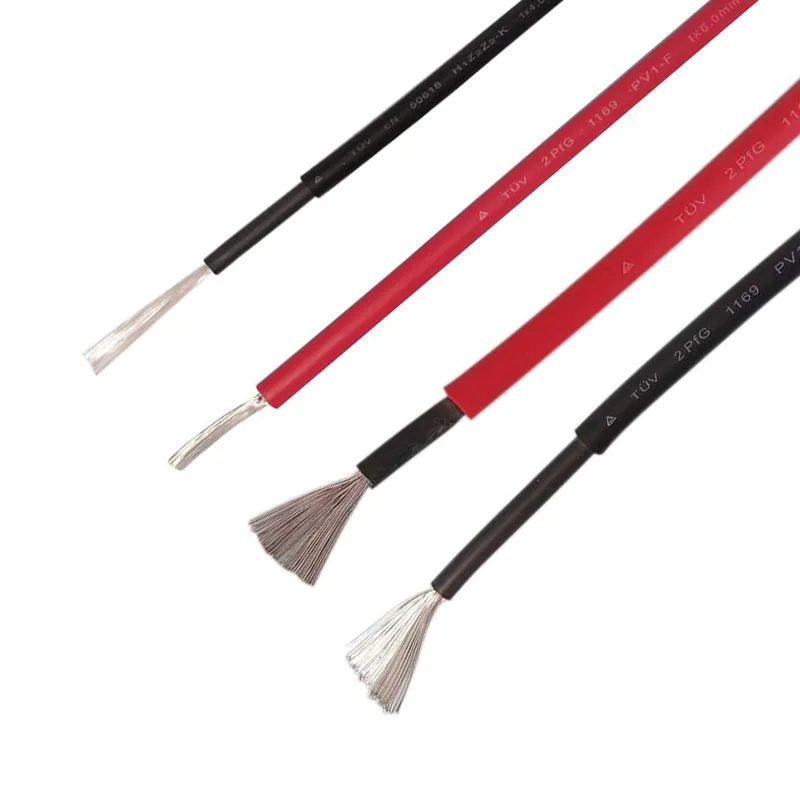
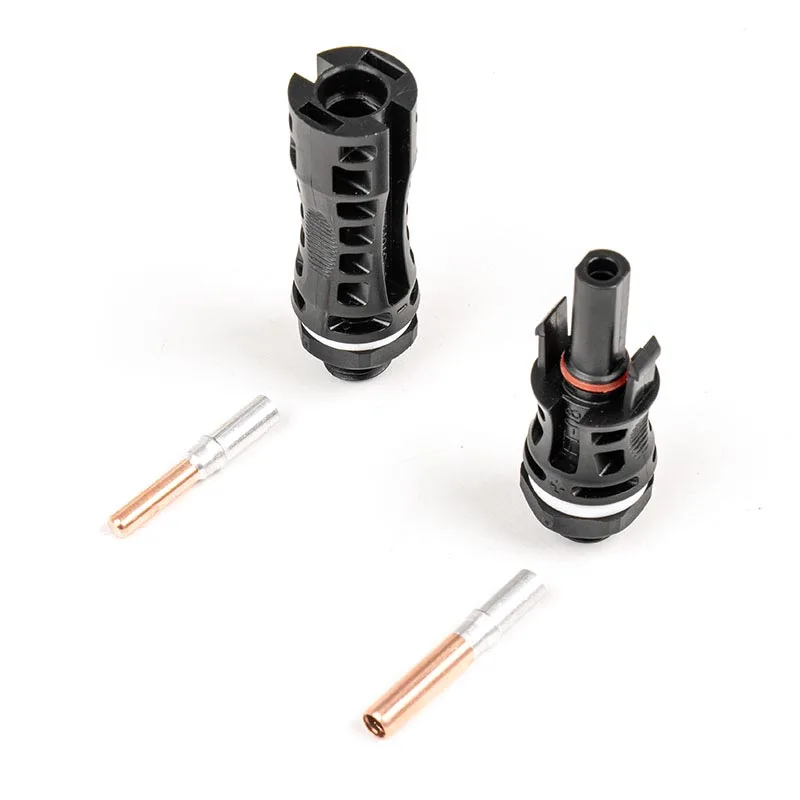
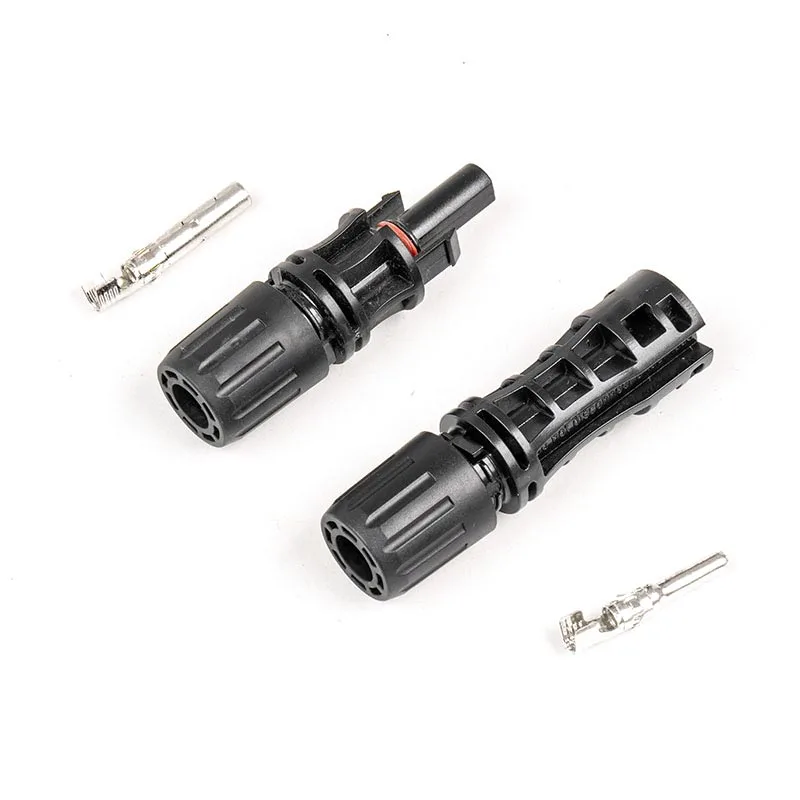
Dsola highlights Solar Cable PV Wire With Tuv in ongoing PV safety discussions, focusing on why dual insulation structures are widely adopted in outdoor energy systems exposed to heat, UV, and mechanical stress.
In recent years, photovoltaic systems have expanded into more complex environments, from rooftop installations in dense cities to open-field solar farms and hybrid energy storage setups. As these applications diversify, attention has increasingly shifted toward one key component often overlooked in early system design—cabling safety architecture. Among these, the Solar Cable PV Wire certified structure has become a reference point in discussions about durability and layered protection.
Solar installations rarely operate under stable or mild conditions. Temperature swings, constant UV exposure, wind movement, and occasional mechanical friction create a long-term challenge for any electrical pathway.
Double insulation is not simply an added layer—it is a structural response to environmental unpredictability. Instead of relying on a single protective sheath, the cable design separates protective responsibilities into two functional layers:
- Inner insulation focuses on electrical stability
- Outer insulation handles environmental resistance
This separation reduces the likelihood that a single point of wear leads to system instability.
| Stress Factor | Real-World Effect | Role of Double Insulation |
| UV radiation | Material aging and surface cracking | Outer layer absorbs exposure |
| High temperature cycles | Expansion and contraction stress | Inner layer maintains conductor stability |
| Mechanical abrasion | Surface wear from movement or contact | Dual barrier reduces direct conductor risk |
| Moisture ingress | Corrosion and leakage risk | Layered sealing effect |
| Long-term installation fatigue | Micro-damage accumulation | Distributed protection system |
This layered approach is particularly important in systems where maintenance access is limited or infrequent.
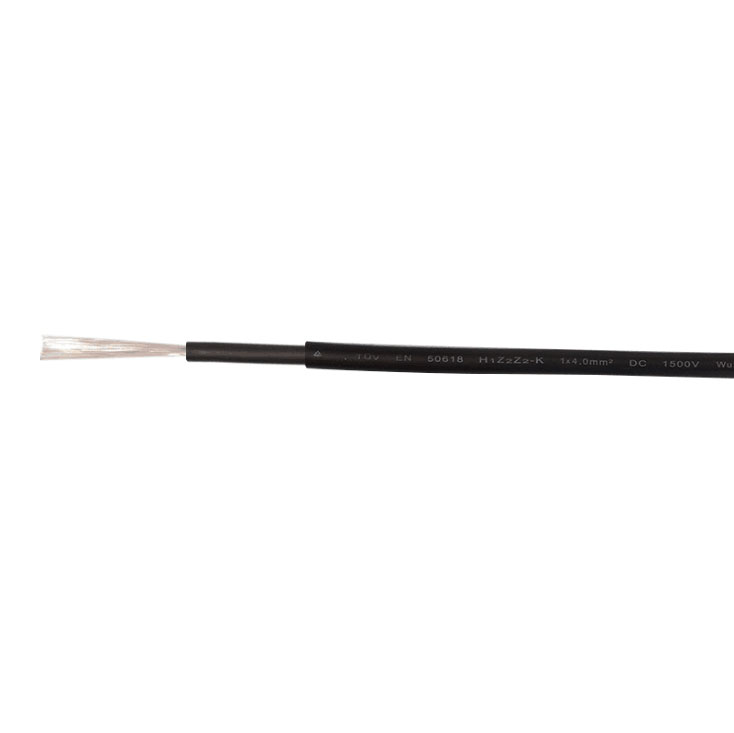
The inner layer of a Solar Cable PV Wire With Tuv structure is engineered to maintain stable conductivity even when external conditions fluctuate. It isolates the copper conductor from environmental disturbances and helps prevent micro-level degradation caused by heat cycling.
Rather than being exposed to external stress, the conductor operates within a controlled micro-environment, which helps stabilize long-term current transmission.
The outer jacket functions as the first line of defense against sunlight, rain, wind-driven particles, and accidental abrasion. In outdoor installations, this layer often determines how long the cable retains its physical integrity.
A notable characteristic of DSOLA cable design is the emphasis on UV-resistant compounds that slow down surface aging. This is especially relevant in high-irradiation regions where conventional materials degrade more rapidly.
The presence of TUV certification in the Solar Cable PV Wire category is often associated with standardized testing conditions that evaluate both electrical and mechanical performance under stress.
Rather than focusing on a single property, certification frameworks typically assess:
- Flame resistance under thermal load
- Insulation durability under voltage stress
- Weather aging performance
- Mechanical tensile resilience
These combined evaluations reinforce the logic behind double insulation structures. The certification process essentially validates that both layers perform their roles without interference.
One of the most practical advantages of dual-layer construction is its effect on long-term consistency. In field conditions, cables are rarely static—they expand, contract, bend, and vibrate depending on installation geometry.
A simplified comparison helps illustrate the difference:
| Aspect | Single-Layer Structure | Double-Insulation Structure |
| Surface wear tolerance | Moderate | High |
| Thermal cycling resistance | Limited | Enhanced |
| Risk of micro-cracks | Higher | Reduced |
| Maintenance frequency need | More frequent | Less frequent |
| Lifespan consistency | Variable | More stable |
This is why modern system designs increasingly incorporate Solar Cable PV Wire With Tuv solutions in environments where stability is prioritized over short-term cost considerations.
Another overlooked advantage of double insulation is ease of handling during installation. Field technicians often deal with tight routing paths, sharp mounting structures, and constrained spaces.
In such conditions, the outer layer takes most of the physical stress, allowing the inner conductor structure to remain unaffected. Additionally, standardized marking systems and consistent diameter control improve cable routing accuracy across different system layouts.
The DSOLA cable design approach emphasizes adaptability across:
- Rooftop photovoltaic systems
- Ground-mounted solar fields
- Hybrid storage-linked systems
- Mobile or modular solar units
This compatibility reduces the need for system-specific redesigns, simplifying integration into diverse configurations.
Over time, all polymer-based materials experience aging. However, the rate of degradation varies significantly depending on structure and formulation.
In double insulation systems, the outer layer absorbs the majority of environmental damage, while the inner layer remains relatively stable. This separation of exposure zones helps prevent cascading failure patterns where one damaged section leads to broader system instability.
Common aging indicators include:
- Surface whitening or chalking
- Reduced flexibility in outer jacket
- Minor dimensional shrinkage
- Insulation hardness changes
The design logic behind Solar Cable PV Wire is aimed at slowing down these indicators rather than eliminating them entirely, which aligns with realistic field expectations.
As photovoltaic systems scale in both size and complexity, safety design is gradually shifting from reactive protection to proactive structuring. Double insulation is part of this transition.
Instead of treating insulation as a single protective barrier, modern designs distribute protective functions across multiple layers, each optimized for a specific stress category.
This approach reflects a broader engineering trend: redundancy in safety systems not as excess, but as functional resilience.
The adoption of double insulation in photovoltaic cabling reflects a practical response to environmental, mechanical, and operational challenges encountered in real-world installations. By separating electrical stability and environmental protection into two coordinated layers, the Solar Cable PV Wire With Tuv structure provides a more balanced performance profile across varied conditions.
Ningbo Dsola New Energy Technical Co., Ltd. continues to develop Solar Cable PV Wire solutions aligned with these evolving safety and durability expectations, contributing to more stable and adaptable photovoltaic system architectures.