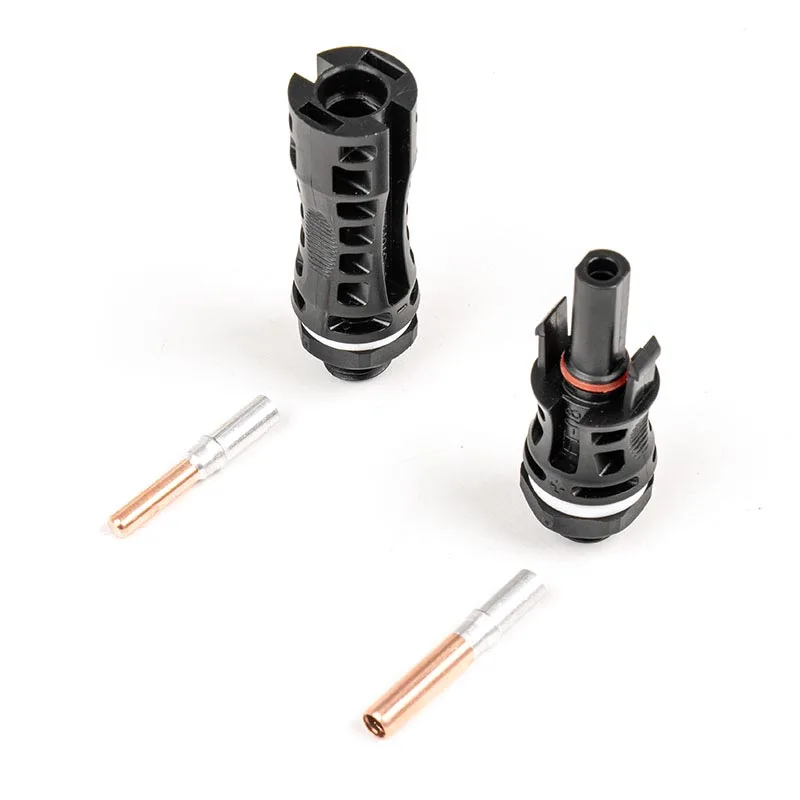
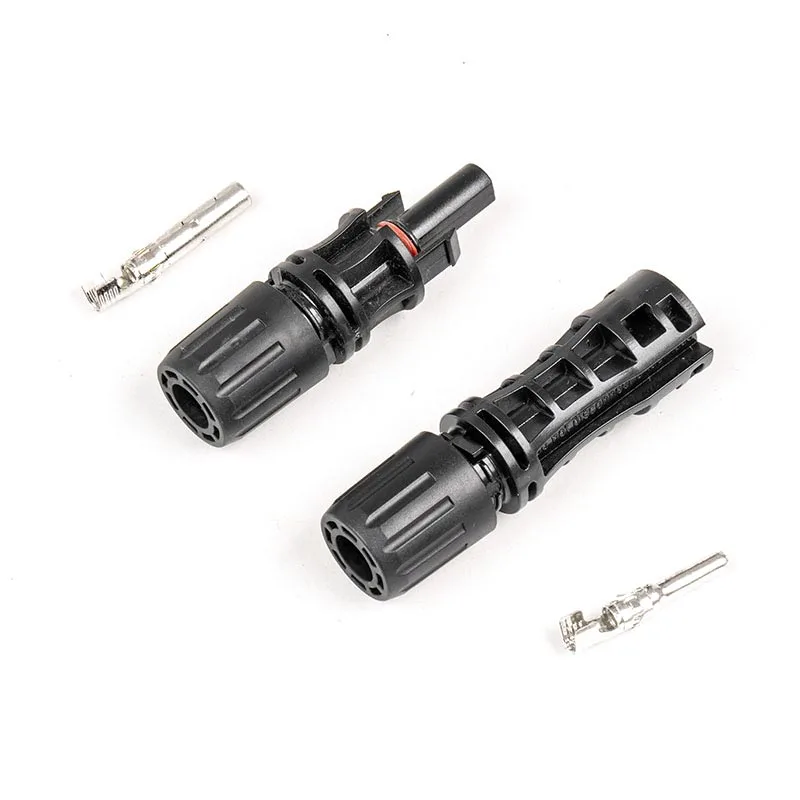
Ningbo Dsola New Energy Technical Co., Ltd. has recently been associated with EV Charging Cables components, where built-in overheating protection in charging cables has become an increasingly discussed safety feature in daily energy use environments.
As electric vehicles become more common in residential garages, parking structures, and shared charging spaces, attention has shifted from charging speed alone to long-term safety stability. One of the most important yet often unnoticed developments is the integration of overheating protection directly into EV charging cables. This design choice is not accidental—it reflects how real-world usage conditions differ from controlled laboratory environments.
EV charging is essentially a high-current electrical process that can last for hours. During this time, even small inefficiencies in resistance or contact quality can generate heat.
Several common factors contribute to temperature rise:
- Continuous high current flow over long periods
- Slight resistance at connector contact points
- Ambient temperature fluctuations (especially in summer)
- Cable bending or restricted airflow during use
- Aging of insulation or connectors over time
Unlike short-duration electrical loads, EV charging creates a sustained thermal environment that gradually builds heat inside the cable structure.
Built-in overheating protection is not a single component, but a system-level response embedded into the cable or connector assembly. It typically includes temperature sensing and automatic current regulation or shutdown behavior when unsafe thresholds are reached.
The system usually operates in three stages:
- Temperature monitoring inside cable or plug head
- Threshold detection when heat exceeds safe range
- Protective response such as power reduction or cutoff
This mechanism helps prevent localized heat accumulation from developing into material damage or electrical risk.
Many people assume that insulation alone is enough to manage safety. However, insulation only delays heat transfer—it does not actively manage temperature rise.
In long charging sessions, especially at higher power levels, insulation layers may still allow internal heat buildup if no active control exists.
This is why modern EV charging systems often integrate additional safety logic into cable design rather than relying solely on external charging equipment.
Different engineering approaches are used depending on system complexity and application scenario:
| Protection Type | Mechanism | Typical Behavior |
| Thermal sensor-based | Direct temperature detection | Adjusts or stops charging |
| Resistance monitoring | Detects abnormal resistance rise | Triggers warning or shutdown |
| Smart control chip | Integrated control logic | Dynamic power adjustment |
| Fuse-based protection | Physical cutoff at threshold | One-time safety interruption |
Each method focuses on preventing excessive heat accumulation before it affects surrounding components.
In EV charging cables, the highest temperature risk is often not in the middle of the cable, but at the connector ends.
This happens because:
- Electrical contact resistance is naturally higher at junctions
- Plug-in points may experience slight wear over time
- Dust or oxidation can increase micro-resistance
- Repeated plugging cycles affect surface stability
Built-in overheating protection often places sensors closer to these critical zones to detect early temperature rise.
EV charging does not happen in a controlled laboratory. Instead, it occurs in environments such as:
- Outdoor driveways under direct sunlight
- Underground parking areas with limited ventilation
- Shared charging stations with continuous usage cycles
- Residential garages with varying seasonal temperatures
These conditions create unpredictable thermal behavior, making passive protection alone insufficient.
Overheating protection does not work alone—it complements the physical design of the cable itself.
Modern EV charging cables often incorporate:
- Heat-resistant insulation layers
- Flexible conductor structures
- Flame-retardant outer jackets
- Stable connector materials with low resistance
When combined with monitoring systems, these features create a multi-layer safety approach rather than relying on a single safeguard.
Instead of only reacting to extreme conditions, built-in protection systems help manage gradual thermal stress over time.
This results in:
- Reduced risk of insulation deformation
- Lower chance of connector aging acceleration
- More stable charging performance across seasons
- Improved consistency in repeated daily use
In practical terms, it helps the cable maintain stable behavior even after prolonged operational cycles.
In some energy ecosystems, EV charging is linked with photovoltaic power systems. In such setups, stable cable performance becomes even more important because energy flow may vary depending on solar input conditions.
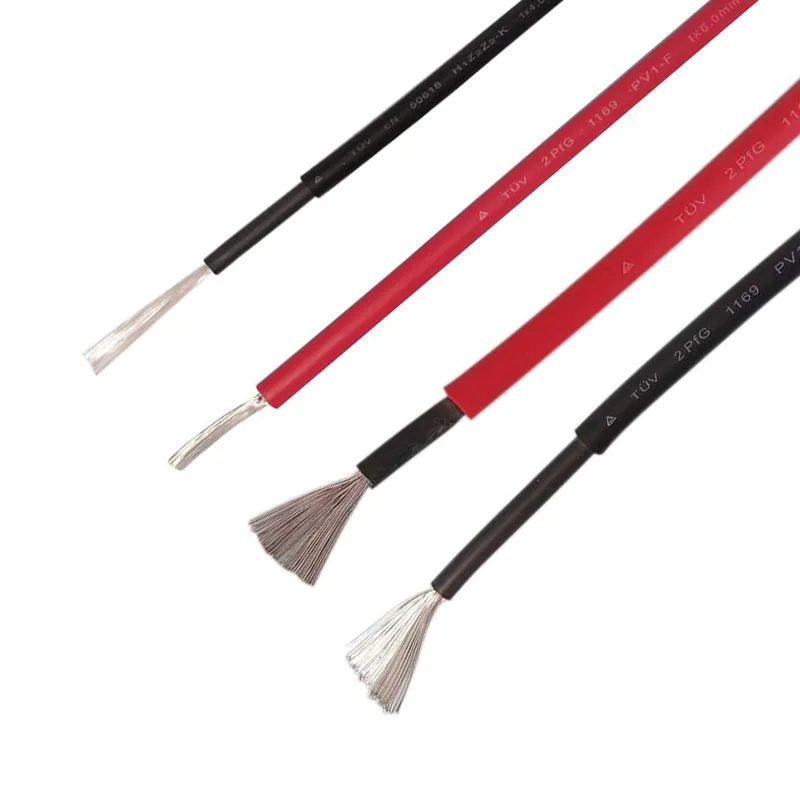
This is where products like Solar Panel Connection Cables and EV charging components often share similar design principles: stable conductivity, environmental resistance, and layered safety mechanisms.
Built-in overheating protection in EV charging cables is a response to real-world usage patterns where long-duration high-current flow, environmental variation, and connector stress all combine to create thermal risks. By integrating monitoring and response mechanisms directly into the cable system, charging safety becomes more adaptive rather than purely passive.
Ningbo Dsola New Energy Technical Co., Ltd. continues to align its product development in Solar Panel Connection Cables and related energy connectivity solutions with these evolving safety expectations, supporting more stable energy transfer across modern electric mobility systems.