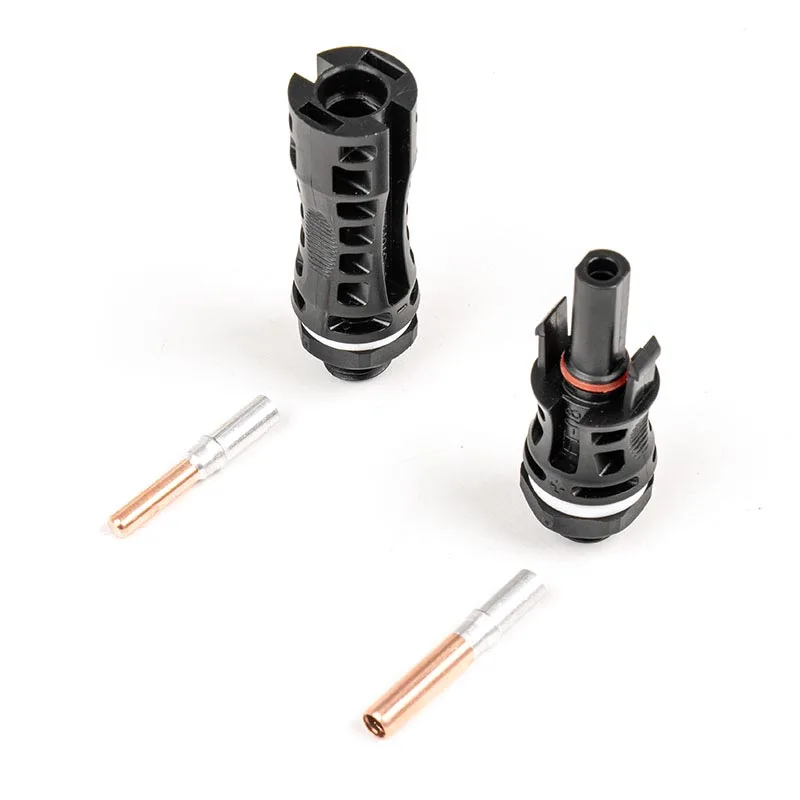
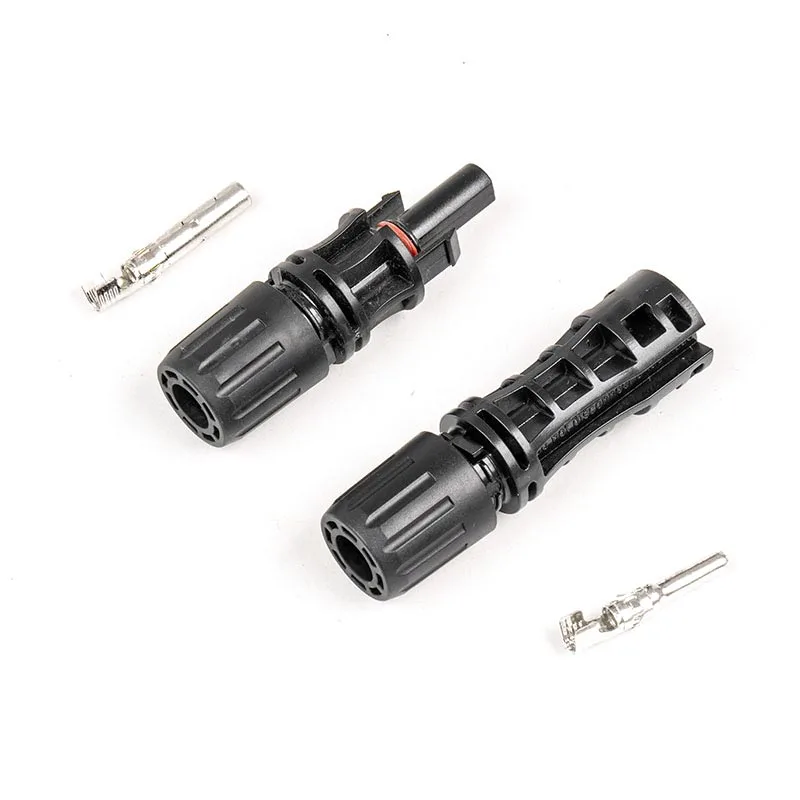
Ningbo Dsola New Energy Technical Co., Ltd. is drawing attention in the renewable energy sector as Solar Cable compliance becomes a key topic following new developments in U.S. 337 investigations. The changing trade environment is encouraging the solar industry to focus more on quality control, documentation, and supply chain transparency.
The solar energy industry has entered a new stage where technical performance is no longer the only concern. Recent U.S. 337 investigations have highlighted the importance of intellectual property protection, product consistency, and compliance management across global renewable energy supply chains.
For solar projects, electrical connection systems play a critical role in long-term operation. Components such as photovoltaic connectors, junction boxes, and cables must maintain stable performance under outdoor conditions. As a result, companies involved in solar energy production are paying closer attention to manufacturing processes, material selection, and inspection procedures.
The investigation process has also encouraged the industry to establish clearer standards for product traceability. Instead of focusing only on short-term costs, many project developers and technical teams are now evaluating whether components can provide reliable performance throughout the expected service life of a solar system.
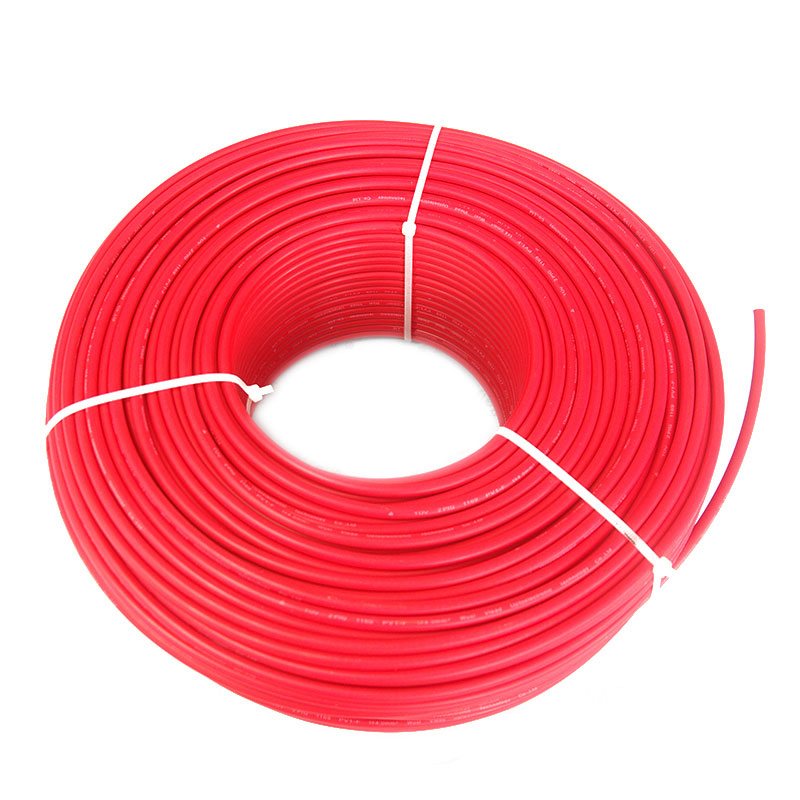
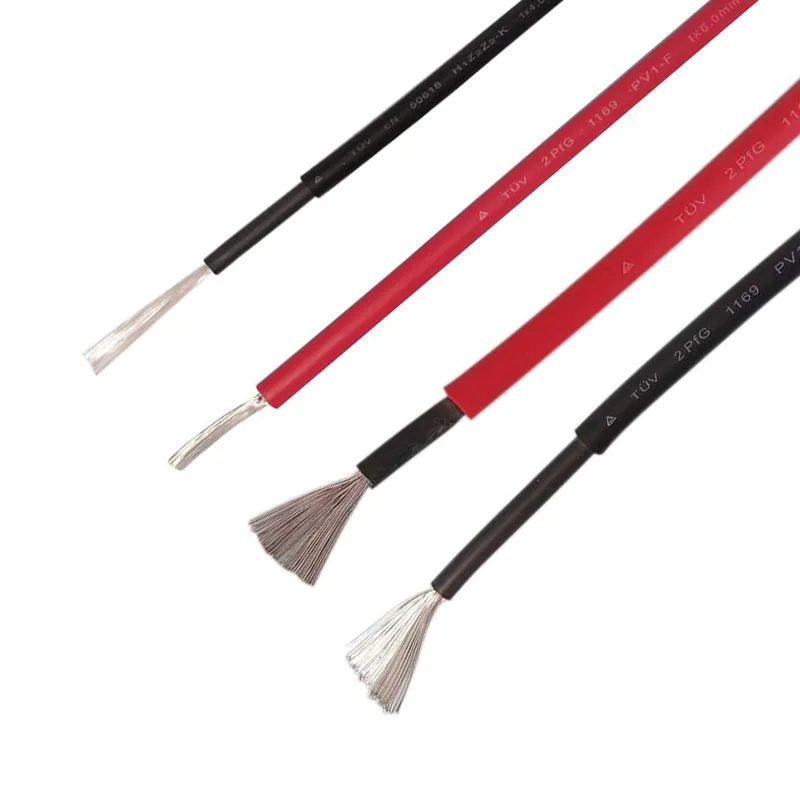
A Solar Cable is more than a simple connection component. It carries electricity generated by photovoltaic modules and must withstand challenges such as temperature changes, ultraviolet exposure, moisture, and mechanical stress. Any weakness in cable quality may influence the overall efficiency and safety of a solar installation.
The latest trade discussions in the United States have increased awareness around compliance requirements. Companies are reviewing production records, quality systems, and technical specifications to ensure that solar-related products meet international expectations.
| Key Area | Industry Concern | Impact on Solar Projects |
|---|---|---|
| Material Selection | Durability of insulation and conductive materials | Improves stability and reduces maintenance risks |
| Production Control | Consistency during manufacturing processes | Supports reliable product performance |
| Testing Procedures | Electrical and environmental testing accuracy | Helps prevent failures in long-term operation |
| Documentation | Clear technical records and compliance information | Provides confidence throughout project evaluation |
The impact of U.S. 337 investigations extends beyond legal discussions. It is influencing how the solar industry approaches product development and quality management. Many companies are strengthening internal systems, improving inspection methods, and creating more detailed technical documentation.
For renewable energy projects operating across different regions, consistency has become an essential factor. A reliable supply chain requires cooperation between technology providers, engineering teams, and quality control departments to reduce uncertainty.
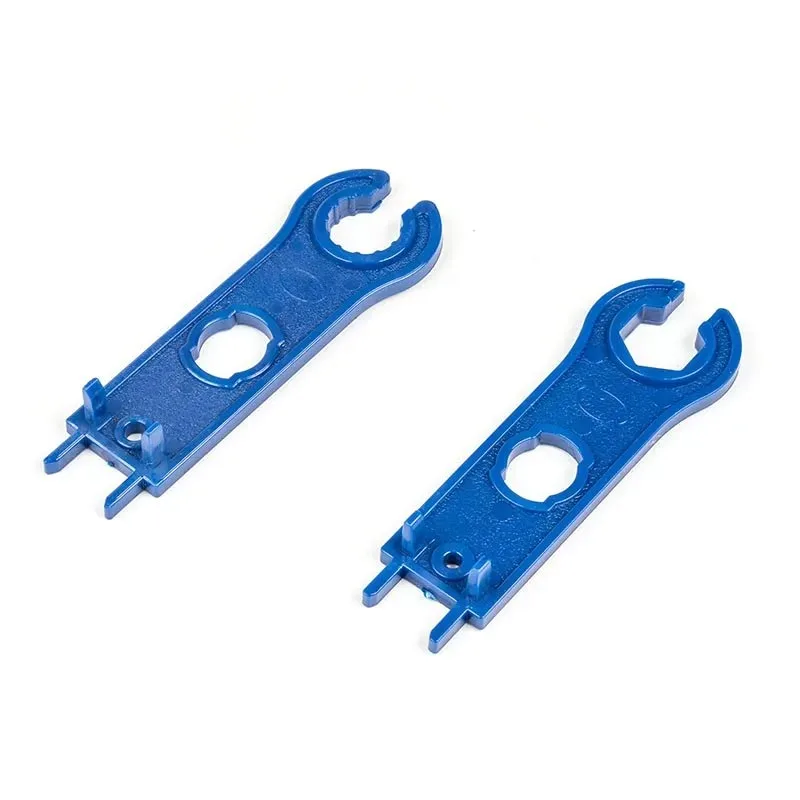
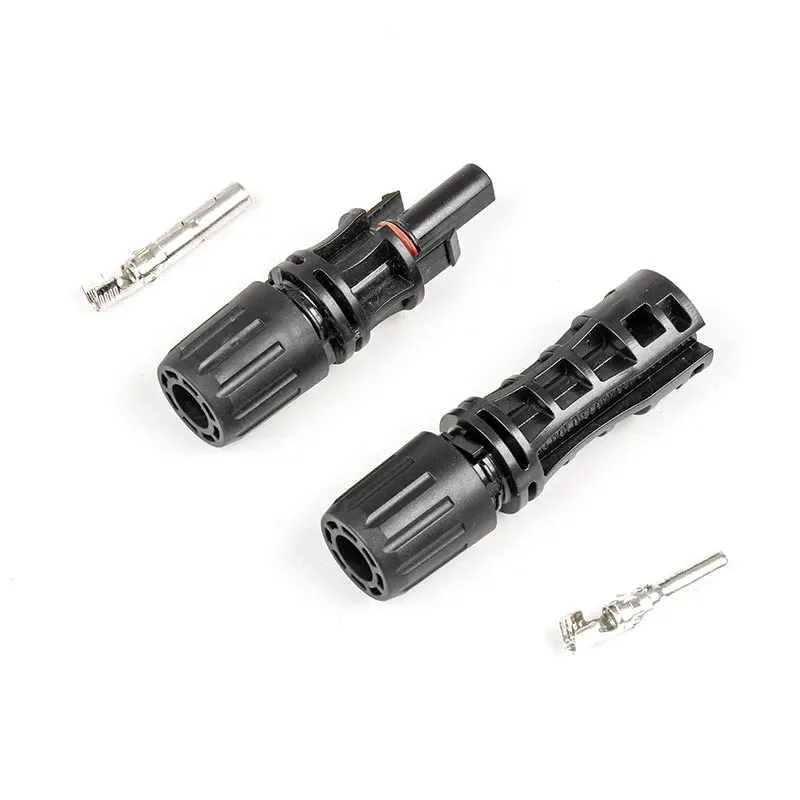
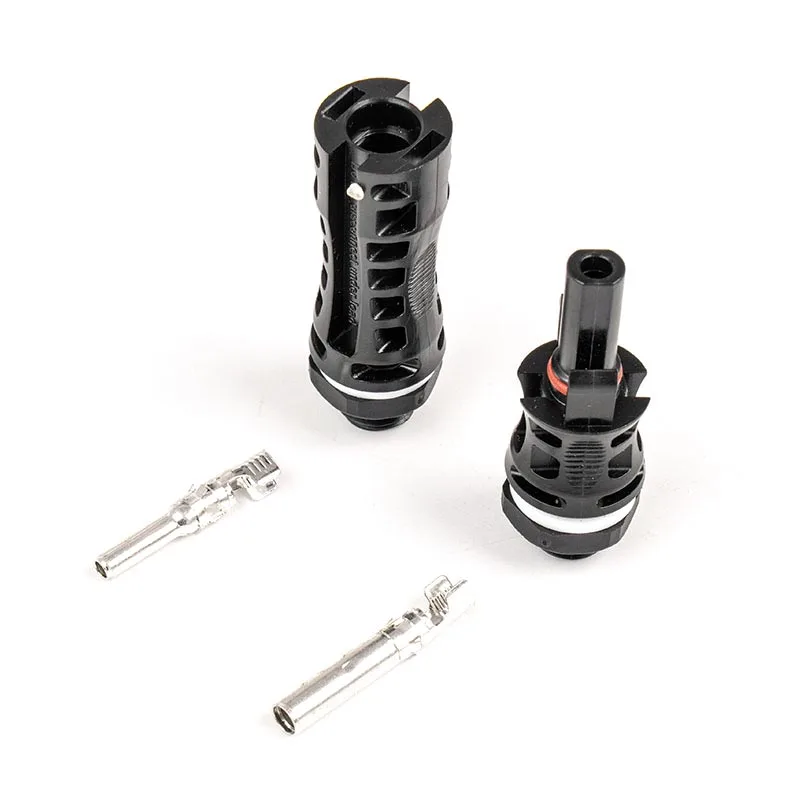
Ningbo Dsola New Energy Technical Co., Ltd. has developed its production capabilities around solar connection solutions, including Solar Connector, MC4 Connector, Solar Cable, Solar Junction Box, PV Connector, and Energy Storage Connector products. The company operates with a complete quality management system and provides processing services based on samples and drawings to support different technical requirements.
Modern solar projects often operate for decades, making component reliability a major consideration. Traceability allows technical teams to understand product information, production conditions, and quality inspection results more clearly.
With advanced production equipment and strict quality control procedures, solar component facilities are increasingly expected to provide stable performance rather than simply high production capacity. This shift reflects a broader industry movement toward responsible development and sustainable energy infrastructure.
| Industry Trend | Reason Behind the Change | Future Direction |
|---|---|---|
| Higher Compliance Awareness | Growing international trade requirements | More transparent supply chains |
| Improved Product Testing | Demand for safer renewable systems | Higher reliability standards |
| Advanced Manufacturing Technology | Need for consistent product quality | Smarter production management |
The changes brought by U.S. 337 investigations represent a broader transformation in the renewable energy market. Compliance is becoming an important part of product evaluation, while technical quality remains central to project success.
For solar industry participants, understanding these developments can help improve planning and reduce potential risks. Reliable components, accurate documentation, and responsible production practices will continue to shape the future of global solar deployment.
As renewable energy expands worldwide, products such as Solar Cable, solar connectors, photovoltaic junction boxes, and energy storage connectors will continue to support safer and more efficient power systems. Ningbo Dsola New Energy Technical Co., Ltd. remains focused on developing solar energy solutions and quality-controlled products that meet the evolving needs of the industry.