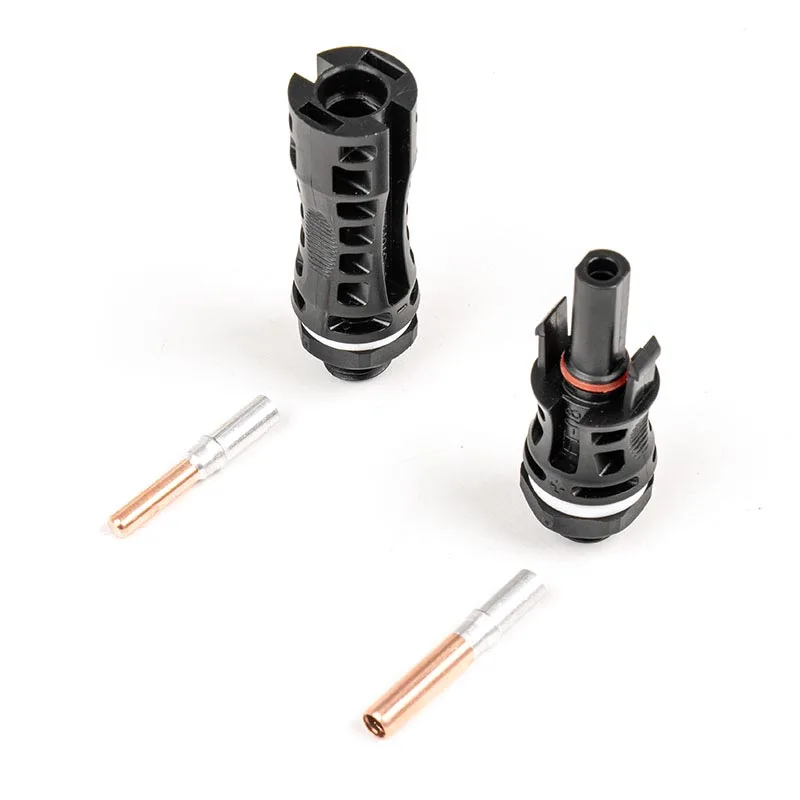
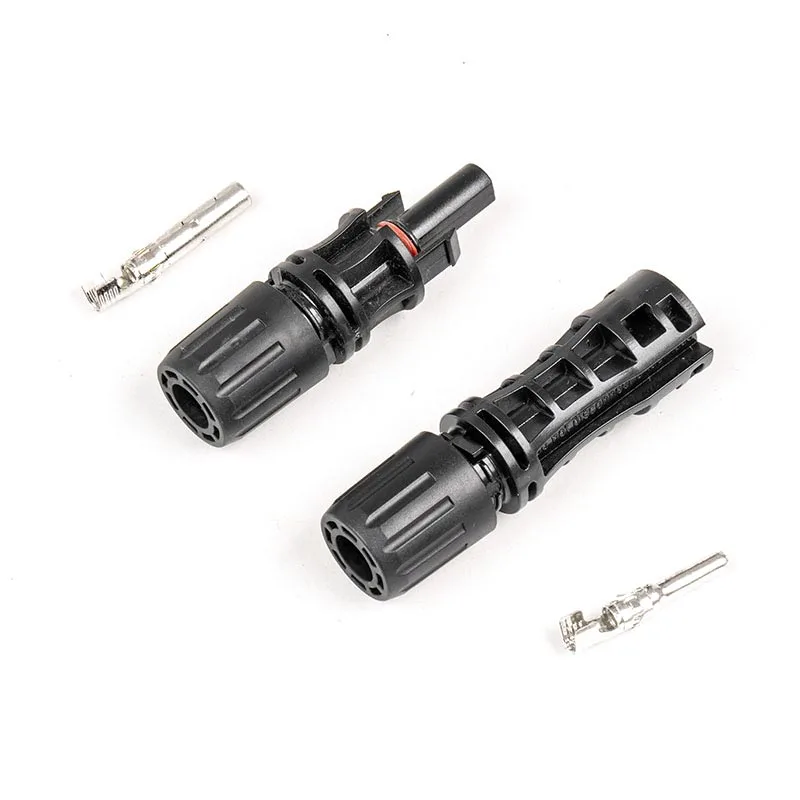
Ningbo Dsola New Energy Technical Co., Ltd. focuses on photovoltaic connection components, including Solar Panel Junction Box systems, as PV safety design increasingly pays more attention to component-level protection, heat management, and long-term electrical stability.
As solar installations continue to operate for decades under changing outdoor conditions, every connection point within a PV module becomes important. While solar cells generate electricity, the junction box is responsible for managing the electrical transition between the module and the external circuit. Its design directly influences current transmission, protection performance, and system reliability.
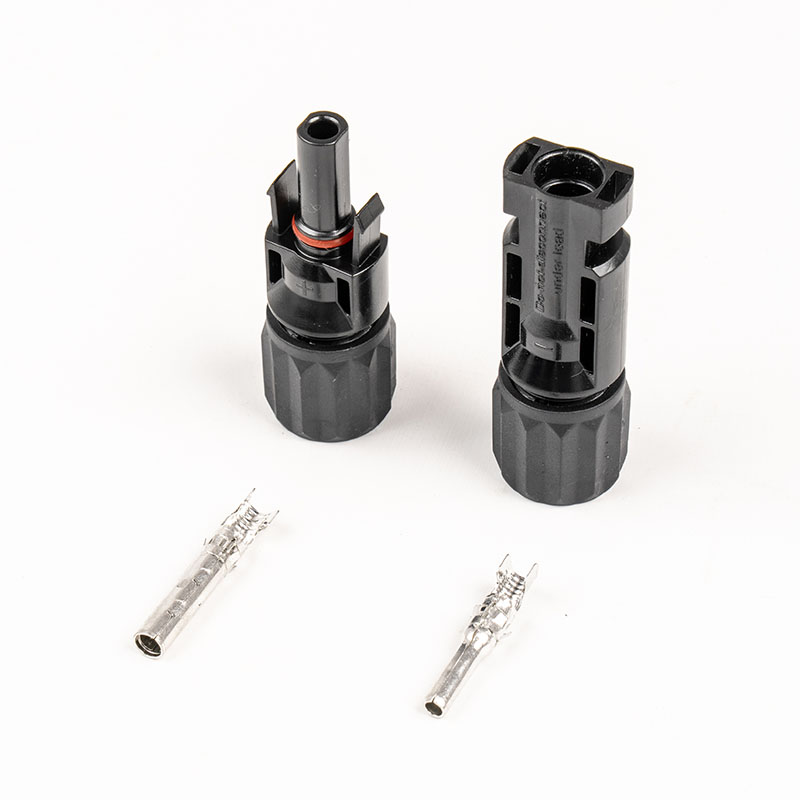
In early photovoltaic applications, the junction box was often considered a simple connection enclosure. However, modern solar modules operate under higher power output, stricter safety requirements, and more demanding environmental conditions.
A Solar Panel Junction Box now needs to handle multiple tasks at the same time:
As PV systems become larger and more integrated, these functions have become increasingly important.
The junction box serves as the transition point between the solar panel’s internal wiring and external cables. A stable connection helps reduce unnecessary resistance, which can otherwise generate additional heat.
Even small increases in resistance can become more noticeable after years of continuous operation. Therefore, connector quality, contact materials, and internal structure all influence system performance.
Solar panels are installed outdoors, meaning junction boxes must withstand conditions such as:
| Environmental Factor | Potential Impact | Junction Box Design Response |
|---|---|---|
| Rain and humidity | Moisture intrusion | Sealing structure and waterproof design |
| UV exposure | Material aging | UV-resistant housing materials |
| Temperature changes | Expansion and contraction | Heat-resistant components |
| Dust and particles | Internal contamination | Protective enclosure design |
| Wind and vibration | Mechanical stress | Stable mounting structure |
This environmental protection function helps maintain electrical safety throughout the module’s service life.
One of the most important components inside a junction box is the bypass diode.
Solar modules do not always receive equal sunlight. Shadows from buildings, trees, or nearby structures can create uneven power generation across different cells.
Without proper protection, shaded sections may experience abnormal electrical conditions that generate localized heating.
Bypass diodes help by:
This makes diode performance a key consideration in junction box design.
Heat is one of the major challenges affecting electrical components. During operation, current passing through connection points naturally creates some thermal energy.
A well-designed Solar Panel Junction Box considers heat from several aspects:
Poor thermal management may accelerate material aging and affect long-term electrical stability.
Modern junction boxes usually combine engineering plastics, conductive metals, and sealing materials to achieve balanced performance.
| Component | Common Material | Main Function |
|---|---|---|
| Housing | Engineering plastic | Mechanical and environmental protection |
| Conductive parts | Copper alloy | Electrical transmission |
| Contact coating | Tin-plated materials | Corrosion resistance |
| Sealing parts | Silicone or rubber compounds | Moisture protection |
| Diode components | Semiconductor materials | Reverse current protection |
Each material plays a different role in maintaining overall system stability.
Because photovoltaic modules often operate in exposed locations, waterproof performance has become a fundamental requirement.
A junction box must prevent water from entering areas where electrical contacts are located. Moisture inside the enclosure may lead to:
Protection ratings such as IP65 or IP67 are commonly considered when evaluating suitability for outdoor PV environments.
Even with advanced design, installation practices remain important.
Common factors affecting junction box performance include:
A complete PV system depends on cooperation between component design and correct installation procedures.
The development of photovoltaic technology has changed the role of junction boxes. They are no longer viewed only as passive connection points but as active components supporting system safety.
Current trends include:
These changes reflect the increasing requirements of modern solar systems.
The Solar Panel Junction Box has become a key focus in PV system safety design because it connects electrical transmission, environmental protection, and module-level protection functions in one compact component. Its performance affects how efficiently and safely electricity moves from the solar module into the wider energy system.
Ningbo Dsola New Energy Technical Co., Ltd. continues to develop photovoltaic connection products, including Solar Panel Junction Box solutions, with attention to electrical stability, protective structures, and long-term outdoor application requirements.