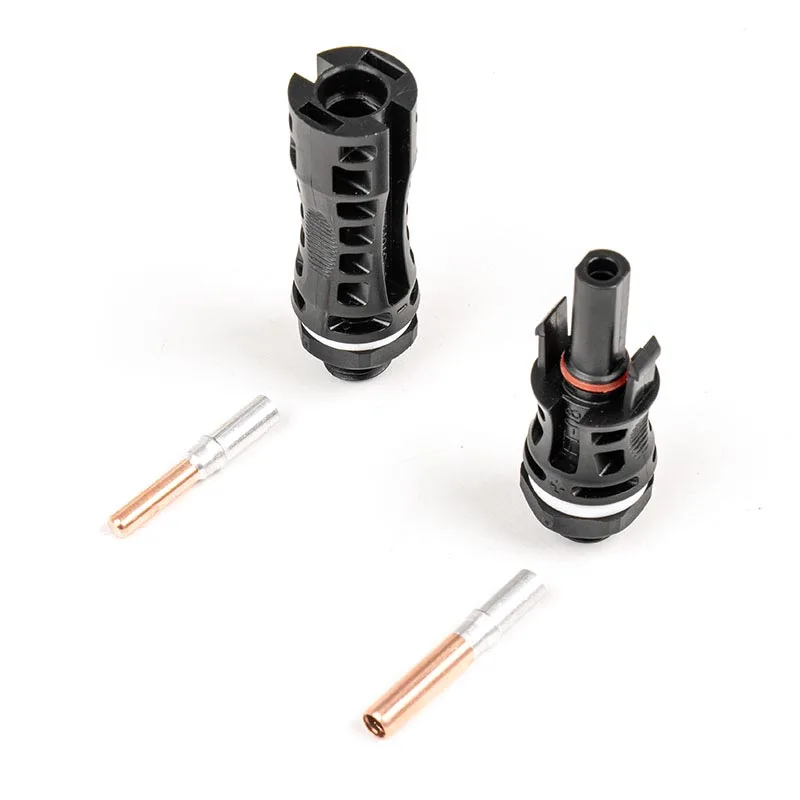
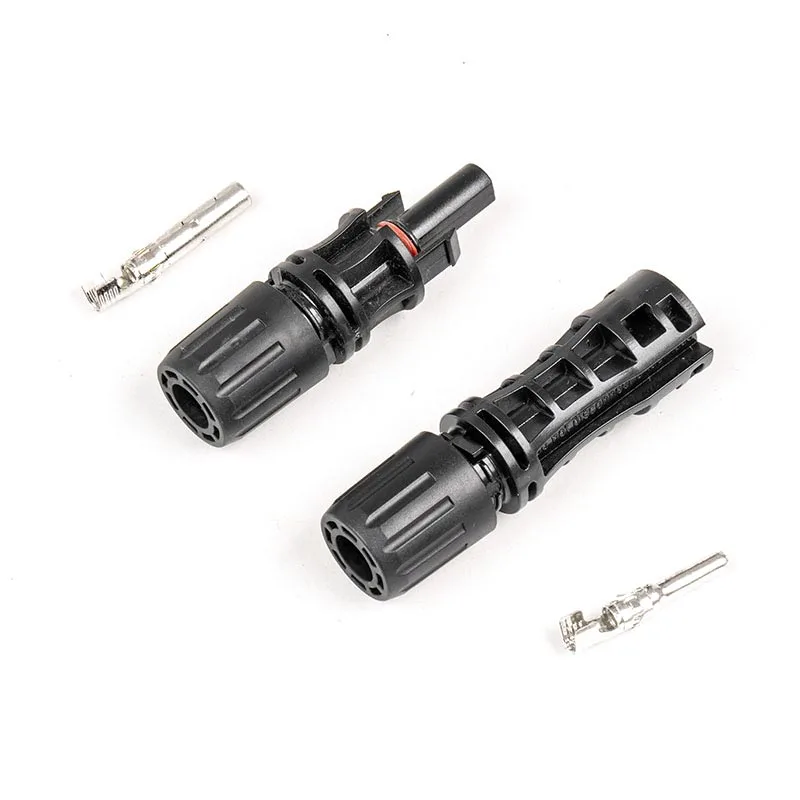
Solar energy systems rely on many components working together seamlessly, but one of the most overlooked elements is the cable connector. Solar cable connectors ensure that photovoltaic panels, inverters, and other electrical components are safely and efficiently connected. Choosing the correct connector type directly impacts system safety, energy efficiency, and long-term durability. Whether you are designing a residential rooftop solar array, a commercial solar farm, or maintaining an existing installation, understanding different solar cable connector types can help prevent energy loss, reduce installation time, and avoid costly system failures. This comprehensive guide explores the most common connector types, their functions, applications, advantages, and how to choose the right connector for your solar system.
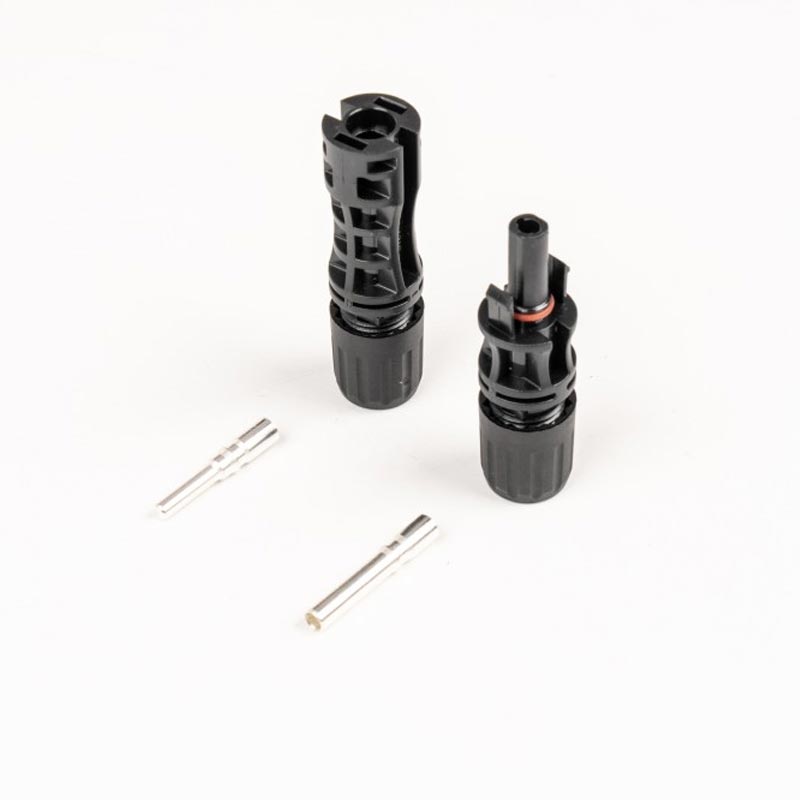
Solar cable connectors are essential components in photovoltaic systems that link solar panels, combiner boxes, and inverters. Different connector types offer unique benefits in terms of compatibility, durability, safety, and installation convenience. This guide explains the major solar cable connector types used worldwide, compares their characteristics, discusses key selection factors, and provides practical tips for installers, engineers, and solar project developers. It also highlights how reliable connector solutions from Ningbo Dsola New Energy Technical Co., Ltd. help ensure stable and long-lasting solar installations.
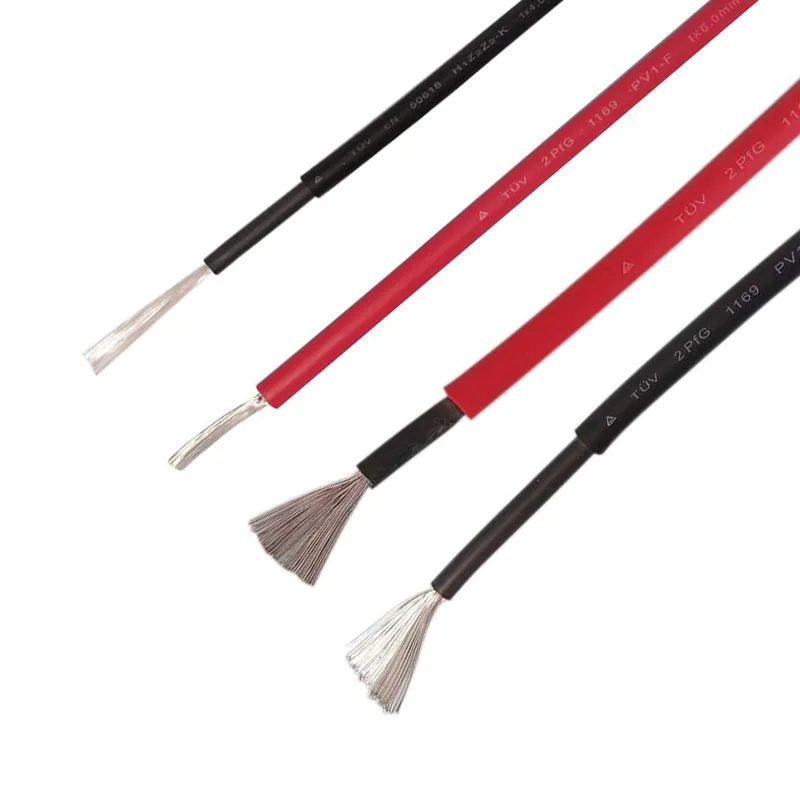
Solar cable connectors serve as the electrical bridge between photovoltaic components. While solar panels generate electricity, connectors allow that energy to travel safely to inverters, batteries, and the grid.
Without reliable connectors, even the highest-quality solar panels cannot perform efficiently. Poor connections can lead to overheating, voltage drop, system downtime, or even fire hazards.
High-quality solar connectors offer several advantages:
Manufacturers such as Ningbo Dsola New Energy Technical Co., Ltd. specialize in producing durable solar cable connectors designed to withstand harsh environmental conditions including UV radiation, temperature fluctuations, and moisture exposure.
Several types of connectors are commonly used in photovoltaic systems. Each type differs in structure, compatibility, and application scenario.
Below are the most widely used solar cable connector types:
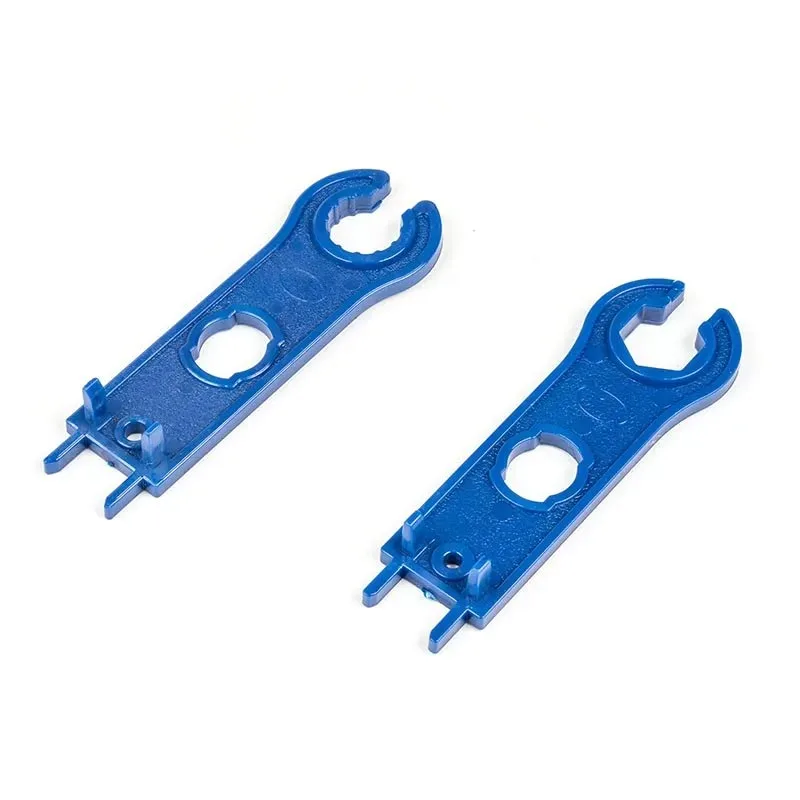
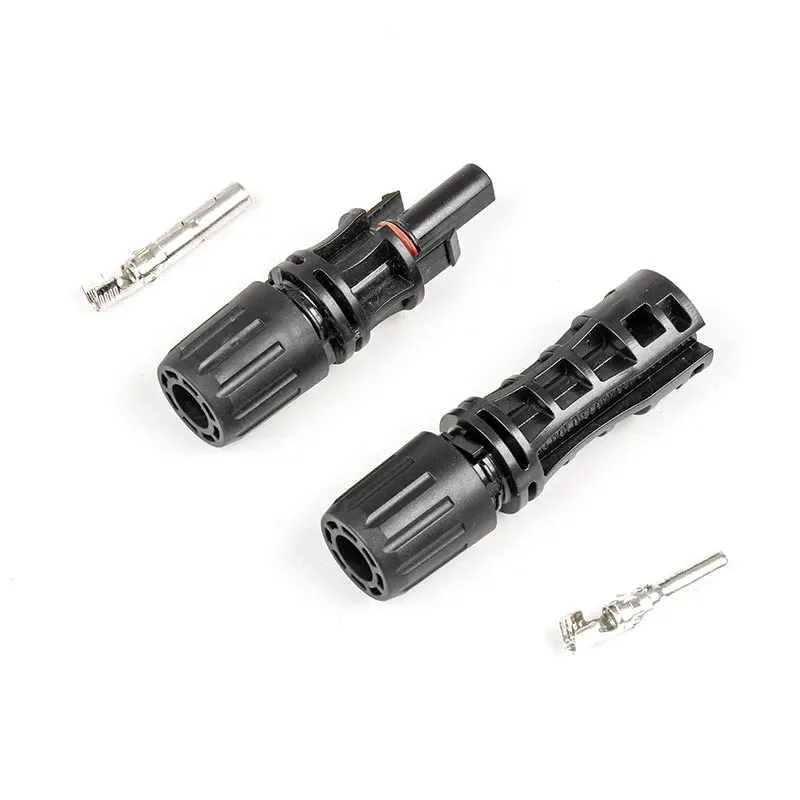
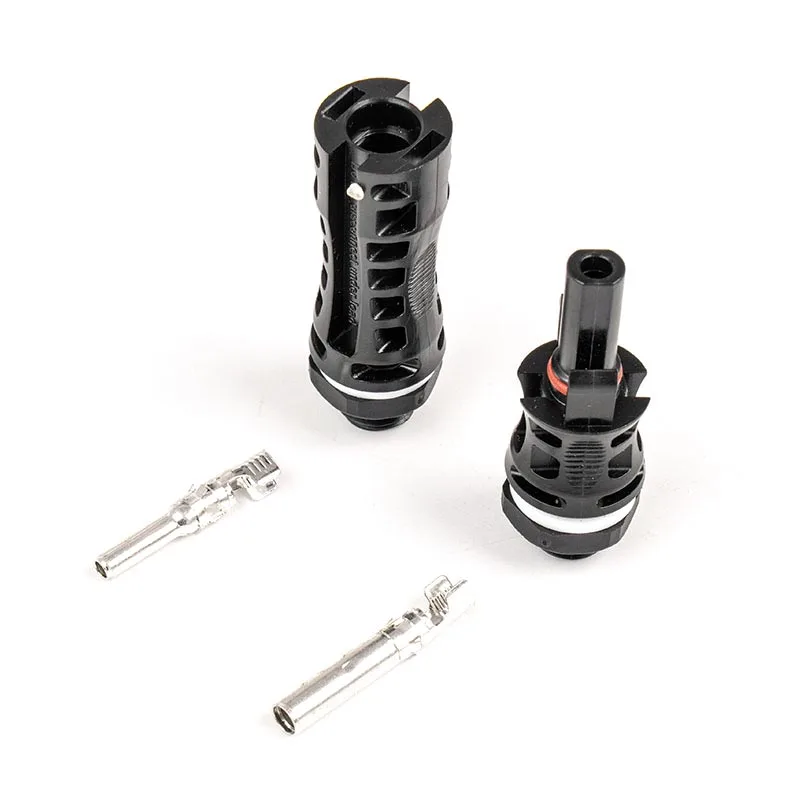
MC4 connectors are the most widely used connectors in modern solar installations. Designed for high performance and easy installation, they have become the global industry standard.
Key features include:
Due to their reliability, MC4 connectors produced by Ningbo Dsola New Energy Technical Co., Ltd. are commonly used in both residential and utility-scale photovoltaic systems.
MC3 connectors were widely used before MC4 connectors became the standard. Although they are gradually being phased out, they can still be found in older solar installations.
Their characteristics include:
When upgrading legacy systems, MC3 connectors may require adapters to ensure compatibility with modern components.
T4 connectors are designed to provide strong electrical contact and improved safety. They are often used in commercial solar systems where durability and reliability are critical.
H4 connectors are known for their strong locking system and high current rating. These connectors are typically used in high-power solar modules.
SolarLok connectors were designed for easy installation and long-term performance. They offer a secure locking mechanism and are used in many commercial solar systems.
| Connector Type | Common Use | Key Advantages | Compatibility |
|---|---|---|---|
| MC4 | Residential & Commercial | Industry standard, weatherproof | Very High |
| MC3 | Older systems | Simple structure | Low |
| T4 | Large solar installations | High durability | Medium |
| H4 | High power modules | High current capacity | Medium |
| SolarLok | Commercial projects | Fast installation | Medium |
Selecting the correct connector type is essential for system efficiency and safety. The following factors should be considered when choosing solar connectors:
Working with experienced manufacturers like Ningbo Dsola New Energy Technical Co., Ltd. ensures that connectors meet international quality standards and provide reliable performance over the lifetime of a solar system.
Proper installation is crucial for ensuring reliable electrical connections.
Correct installation not only improves system performance but also extends the lifespan of the solar components.
These mistakes can lead to overheating, electrical resistance, or connector failure, potentially affecting the entire solar system.
Solar cable connectors are used across many photovoltaic applications.
Reliable connectors supplied by Ningbo Dsola New Energy Technical Co., Ltd. are designed to support these diverse applications and ensure stable electrical performance under demanding conditions.
As solar energy systems continue to evolve, connector technology is also advancing.
Future innovations may include:
These developments will help improve system efficiency, simplify installation processes, and reduce maintenance costs.
1. Which solar connector type is most commonly used?
MC4 connectors are currently the most widely used connectors in photovoltaic systems due to their reliability and compatibility with most solar panels.
2. Can different connector brands be mixed?
Mixing connector brands is generally not recommended because it may cause poor electrical contact and compromise safety.
3. How long do solar connectors last?
High-quality connectors can last more than 25 years when installed correctly and maintained properly.
4. Are solar connectors waterproof?
Most modern solar connectors are designed with waterproof sealing to protect electrical connections from rain and moisture.
5. Do connectors affect solar system efficiency?
Yes. Poor connections can cause energy loss and overheating, which reduces overall system efficiency.
Solar cable connectors play a vital role in ensuring safe, efficient, and reliable photovoltaic systems. Understanding the different solar cable connector types—such as MC4, MC3, T4, and H4—helps installers and system designers choose the most suitable solution for their specific application.
Reliable connectors not only improve energy transmission but also reduce maintenance costs and extend system lifespan. Choosing high-quality products from trusted manufacturers is essential for achieving long-term solar system performance.
Ningbo Dsola New Energy Technical Co., Ltd. specializes in manufacturing advanced solar cable connectors designed for durability, safety, and high electrical performance. Their connector solutions are widely used in residential, commercial, and utility-scale solar projects around the world.
If you are looking for reliable solar connector solutions or need professional guidance for your photovoltaic projects, contact us today. Our team is ready to help you find the best connector solutions for your solar energy systems.