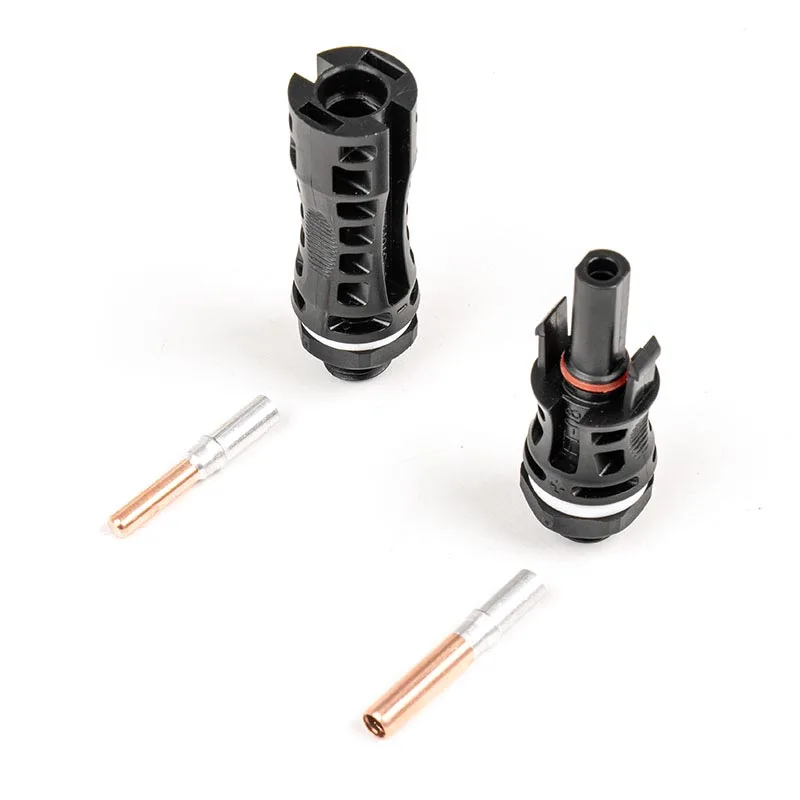
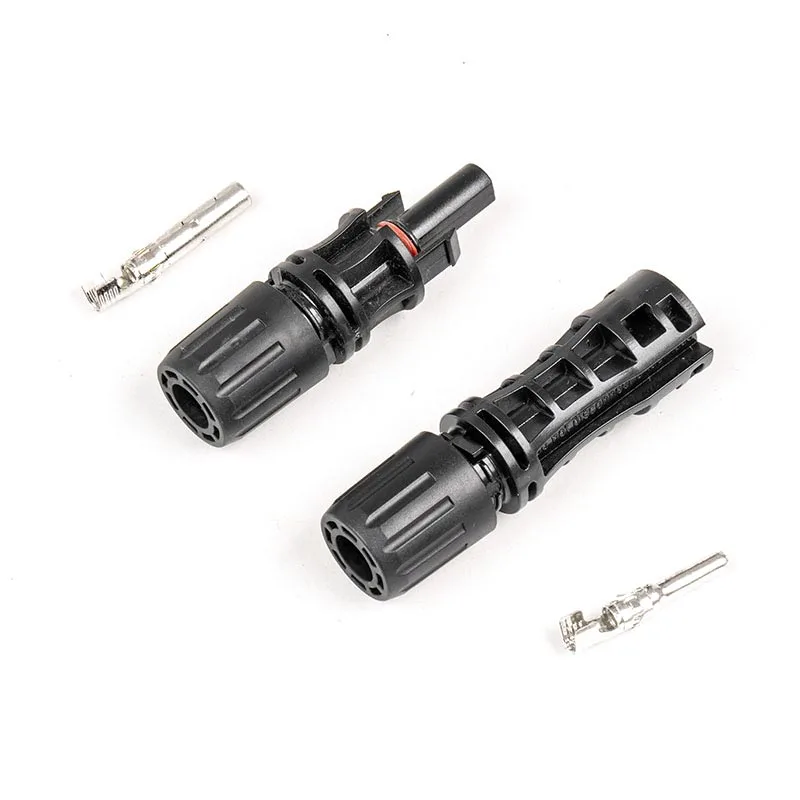
Dsola has been closely associated with Solar Panel Connection Cables development, where tinned copper continues to draw attention for its role in improving conductivity stability and corrosion resistance in real installation environments.
In modern photovoltaic and home energy systems, connection reliability has become one of the most discussed engineering concerns. While solar panels and inverters often receive most of the attention, the cable system connecting them quietly determines how smoothly energy is transferred day after day. Within this system, the Cables using tinned copper conductors have become a practical focus for improving long-term performance stability.
Copper itself is widely known for its excellent electrical conductivity, but in outdoor or semi-outdoor environments, it faces one persistent challenge—oxidation. Once copper is exposed to air and moisture, surface oxidation can gradually affect resistance levels and long-term stability.
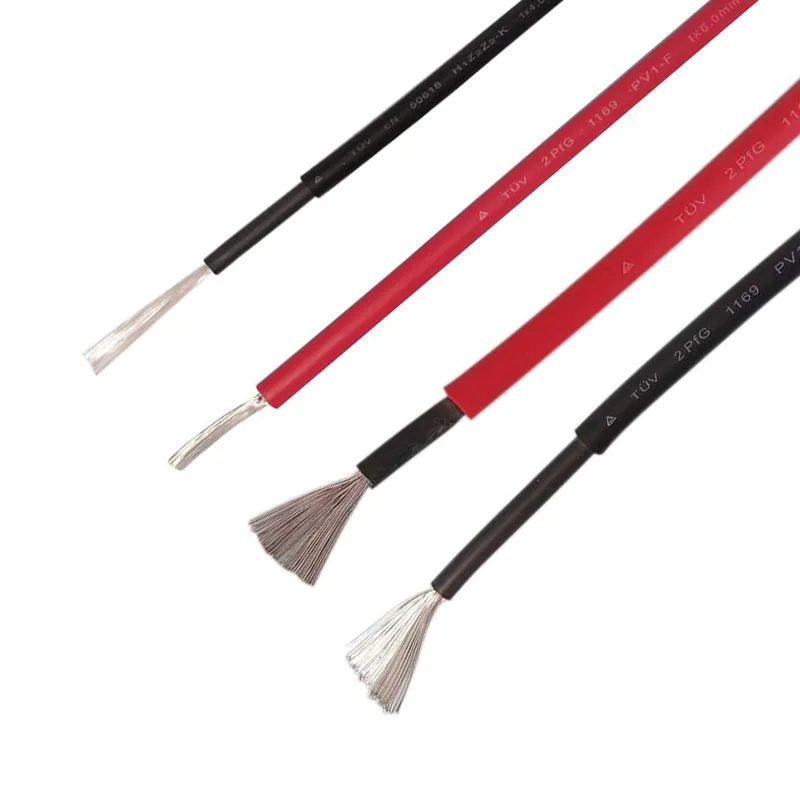
Tinned copper introduces a thin protective layer of tin over the copper core. This modification does not replace copper's conductivity but helps maintain it under environmental stress.
In real-world solar applications, this becomes especially important because cables are often exposed to:
- Humidity fluctuations
- UV radiation
- Temperature cycling
- Dust and airborne particles
- Long-term static installation conditions
These conditions make surface protection just as important as electrical performance.
One of the key advantages of tinned copper in Solar Panel Connection Cables is its ability to resist oxidation while preserving the natural conductivity of copper underneath. Instead of allowing direct exposure, the tin layer acts as a buffer zone.
This helps reduce:
- Surface corrosion buildup
- Resistance increase over time
- Contact instability at connection points
In environments with higher humidity or salt content in the air, untreated copper can degrade faster. Tinned copper performs more consistently because the tin coating is chemically more stable under such conditions.
This is why it is frequently used in installations near coastal zones or areas with frequent rainfall cycles.
| Feature | Bare Copper | Tinned Copper |
| Electrical conductivity | Very high | Very high (slightly reduced surface effect only) |
| Oxidation resistance | Low | High |
| Moisture tolerance | Moderate | Strong |
| Long-term stability | Variable | More stable |
| Maintenance sensitivity | Higher | Lower |
This comparison highlights why many modern Solar Panel Connection Cables designs increasingly incorporate tinned copper as a standard conductor choice.
A less visible but critical aspect of solar wiring systems is the quality of electrical contact at junction points. Over time, even slight oxidation or contamination can increase contact resistance.
Tinned copper helps reduce this risk by maintaining a cleaner and more stable surface interface. In practice, this means:
- More consistent current transfer
- Reduced micro-arcing risk
- Better long-term connection reliability
- Lower variation in resistance across connection points
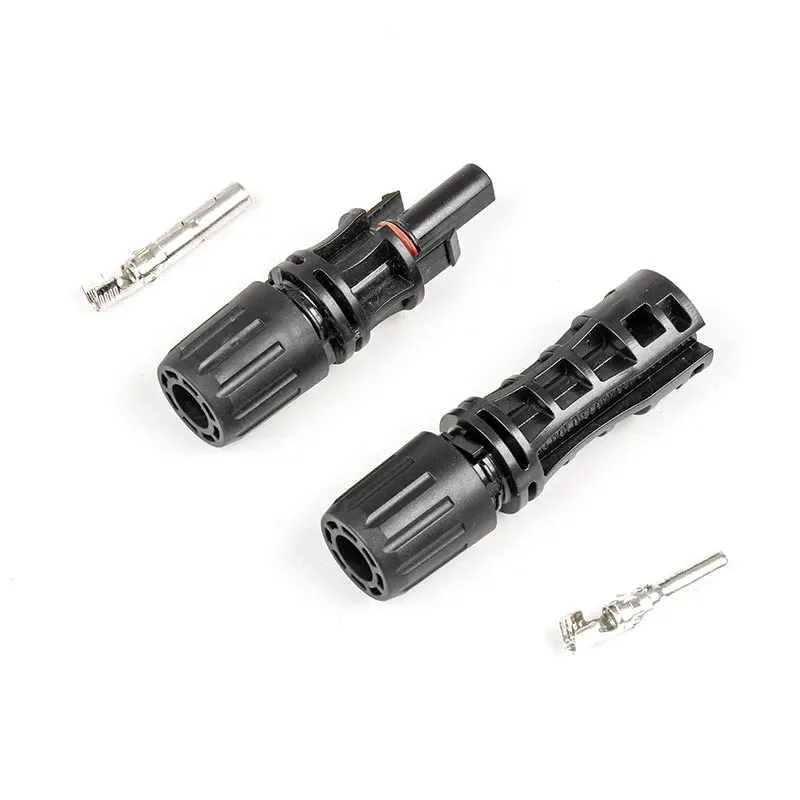
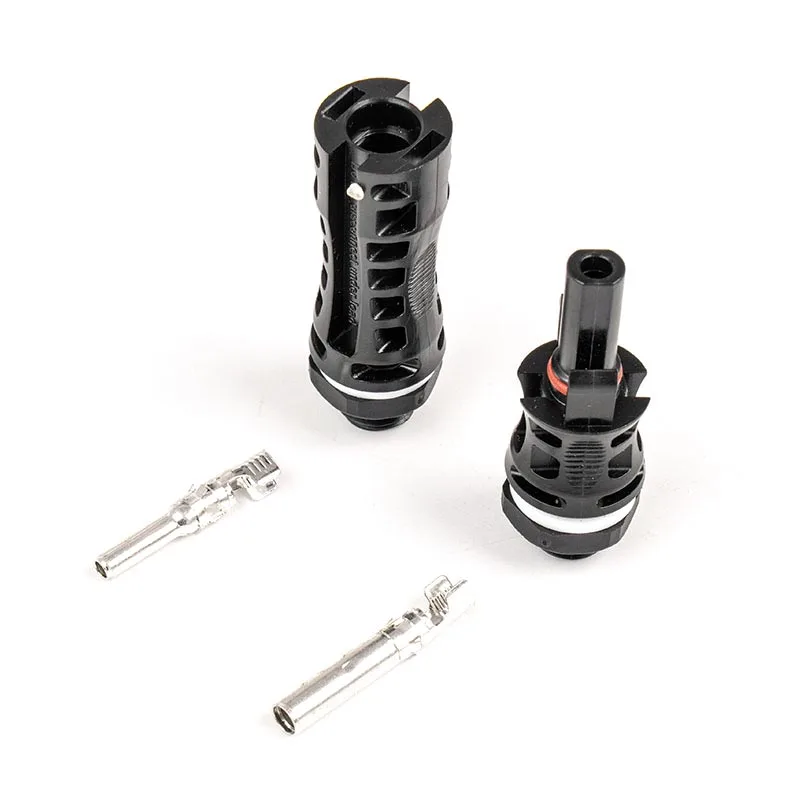
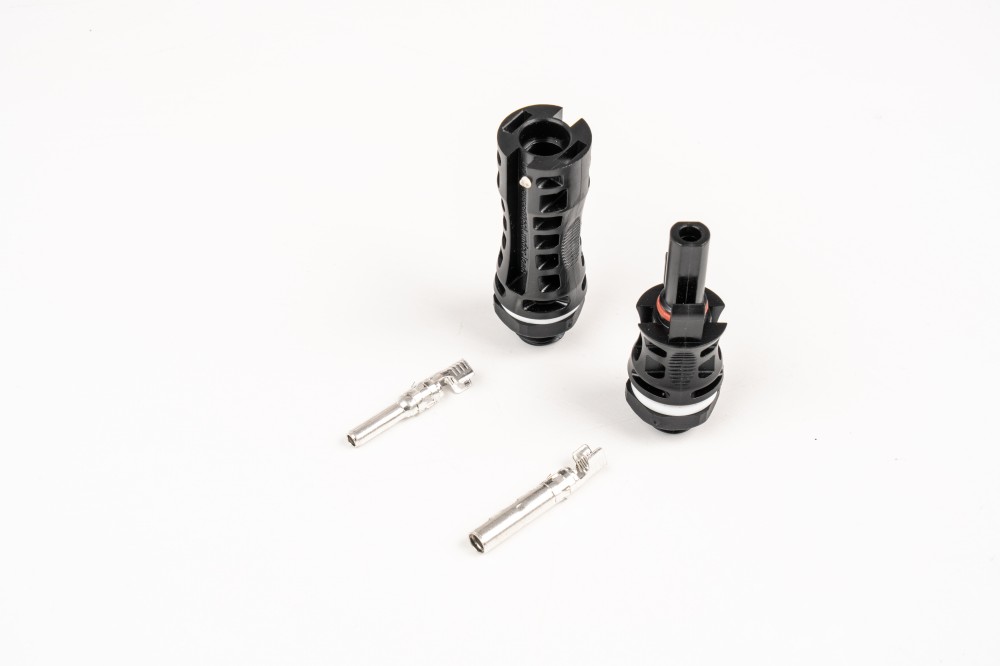
In MC4-style connector environments, where multiple connection points are tightly sealed and repeatedly exposed to environmental changes, conductor surface stability plays a key role.
Tinned copper supports stable crimping and maintains integrity within connector housings, which helps reduce performance fluctuations over long operating periods.
To better understand where tinned copper fits in, it helps to look at the structure of a typical solar connection system:
| Component | Function | Common Material |
| Conductor core | Electrical transmission | Copper / tinned copper |
| Insulation layer | Electrical isolation | PPO / cross-linked polymers |
| Connector housing | Physical protection | Engineering plastics |
| Contact terminals | Electrical interface | Copper alloy, tin plated |
| Sealing system | Environmental protection | Rubber / silicone |
Within this structure, the conductor core is the foundation, and its stability influences every downstream component.
Solar installations operate in environments that can change dramatically over time. Even within a single day, temperature and humidity shifts can place stress on materials.
Common stress factors include:
- Day-night temperature cycling
- UV exposure during peak sunlight hours
- Rainwater ingress during seasonal changes
- Mechanical bending during installation routing
- Long-term static load from fixed positioning
Tinned copper helps stabilize the internal conductor response to these stresses, especially when paired with multi-layer insulation systems used in modern Solar Panel Connection Cables.
In field conditions, cables are rarely static after installation. Wind movement, thermal expansion, and structural vibration all contribute to slow mechanical changes.
Tinned copper's advantage is not only chemical resistance but also mechanical consistency over time. It maintains stable surface conditions even when the cable experiences repeated minor stress cycles.
During installation processes, tinned copper conductors often show:
- Easier and more consistent crimping behavior
- Reduced risk of surface contamination before sealing
- More predictable connector fit behavior
- Lower sensitivity to short-term exposure before final sealing
These characteristics reduce variability during system assembly and improve overall installation consistency.
Solar wiring systems are typically evaluated under multiple safety parameters including temperature resistance, insulation integrity, and flame behavior.
Tinned copper contributes indirectly to these requirements by stabilizing the conductor surface and reducing degradation pathways that could lead to resistance spikes or localized heating.
In certified systems such as those using MC4-compatible connectors with rated voltage up to 1500V DC, conductor stability becomes especially important for long-term compliance performance.
Rather than viewing tinned copper as a standalone improvement, it is more accurate to see it as part of a broader system reliability strategy.
Modern photovoltaic designs aim to reduce weak points across the entire energy path. Since cables connect every major component, their long-term behavior has a disproportionate impact on overall system stability.
In this context, Solar Panel Connection Cables with tinned copper conductors serve as a stabilizing layer between energy generation and energy utilization.
The use of tinned copper in photovoltaic wiring reflects a practical engineering response to environmental exposure and long-term stability challenges. By reducing oxidation risk and improving connection consistency, it supports more predictable system behavior across varied operating conditions.
Ningbo Dsola New Energy Technical Co., Ltd. integrates these considerations into its Solar Panel Connection Cables design approach, alongside MC4-compatible structures and multi-layer protection systems, contributing to more stable and adaptable solar energy connection architectures.