The Solar Panel Junction Box has become a key focus in PV system safety design because it connects electrical transmission, environmental protection, and module-level protection functions in one compact component. Its performance affects how efficiently and safely electricity moves from the solar module into the wider energy system.
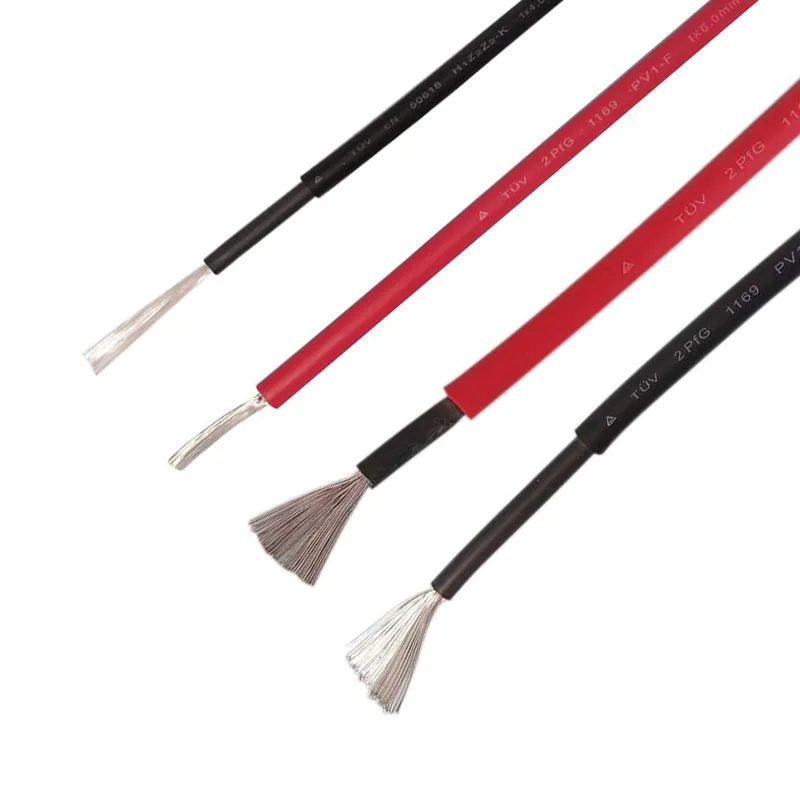
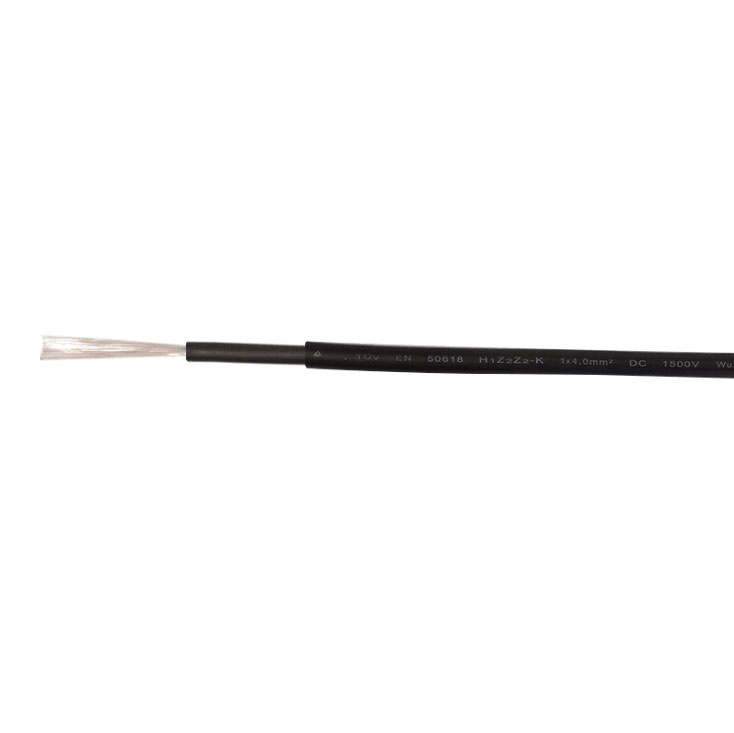
A Solar Cable is more than a simple connection component. It carries electricity generated by photovoltaic modules and must withstand challenges such as temperature changes, ultraviolet exposure, moisture, and mechanical stress. Any weakness in cable quality may influence the overall efficiency and safety of a solar installation.
Built-in overheating protection in EV charging cables is a response to real-world usage patterns where long-duration high-current flow, environmental variation, and connector stress all combine to create thermal risks. By integrating monitoring and response mechanisms directly into the cable system, charging safety becomes more adaptive rather than purely passive.
One of the key advantages of tinned copper in Solar Panel Connection Cables is its ability to resist oxidation while preserving the natural conductivity of copper underneath. Instead of allowing direct exposure, the tin layer acts as a buffer zone.
The inner layer of a Solar Cable PV Wire With Tuv structure is engineered to maintain stable conductivity even when external conditions fluctuate. It isolates the copper conductor from environmental disturbances and helps prevent micro-level degradation caused by heat cycling.
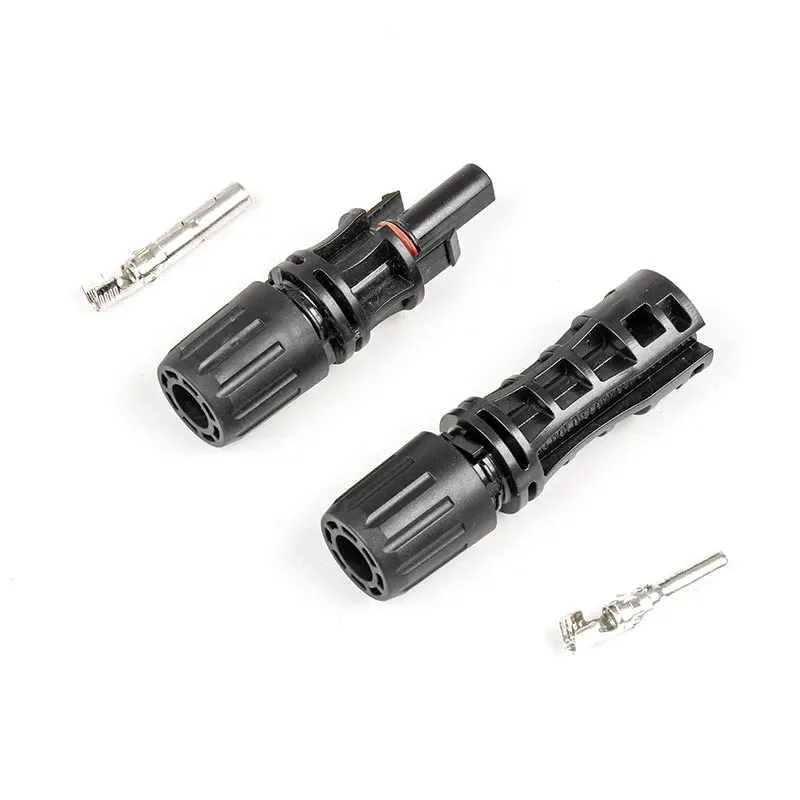
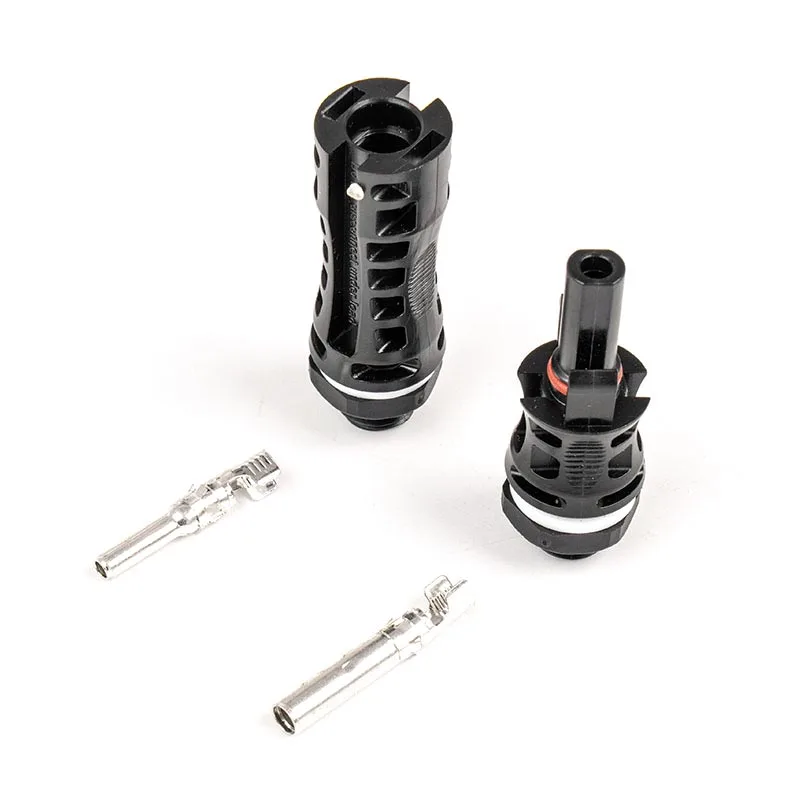
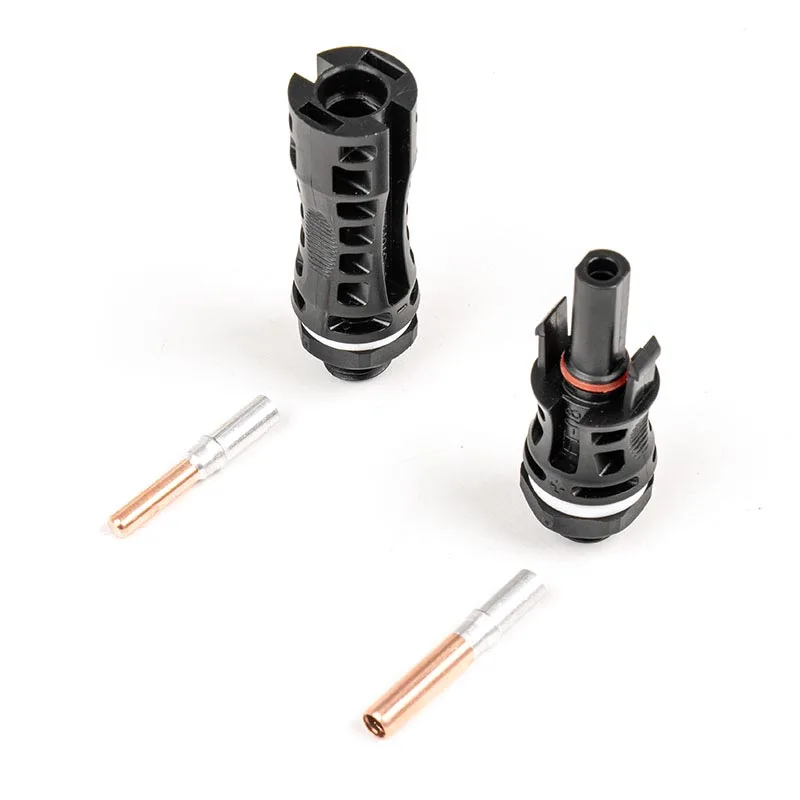
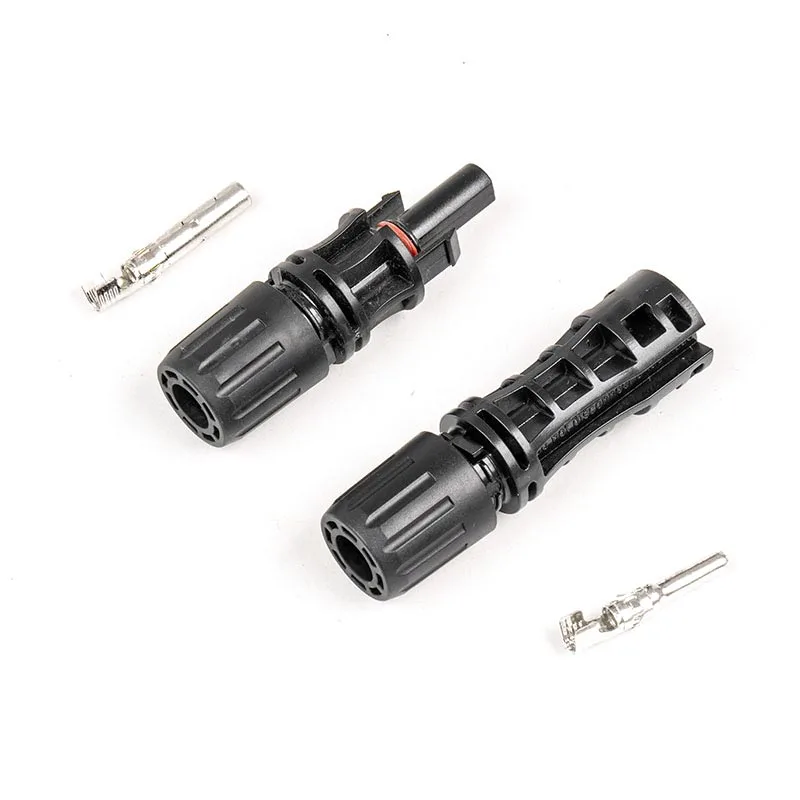
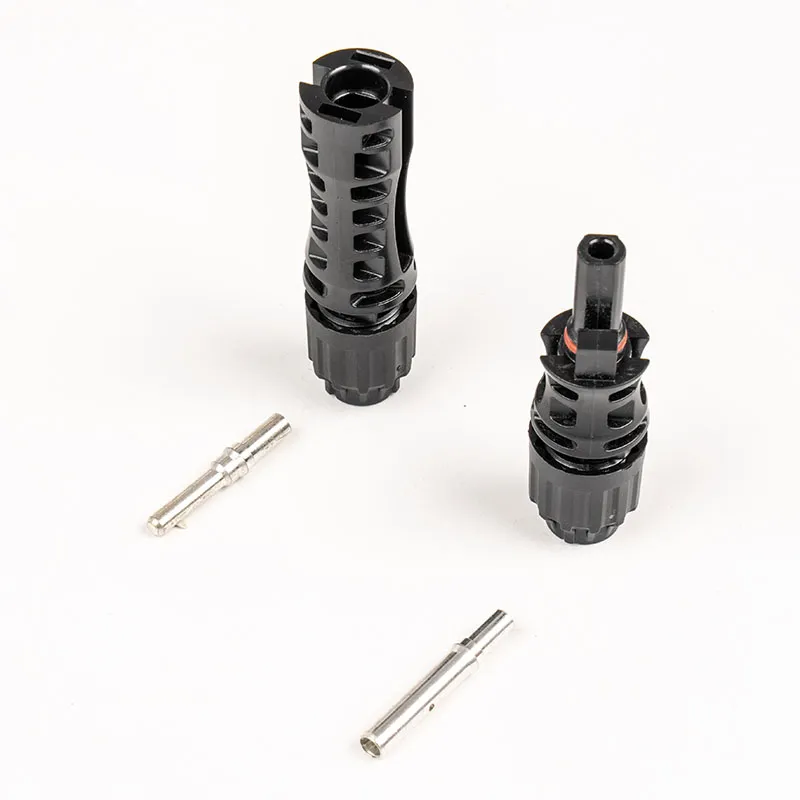
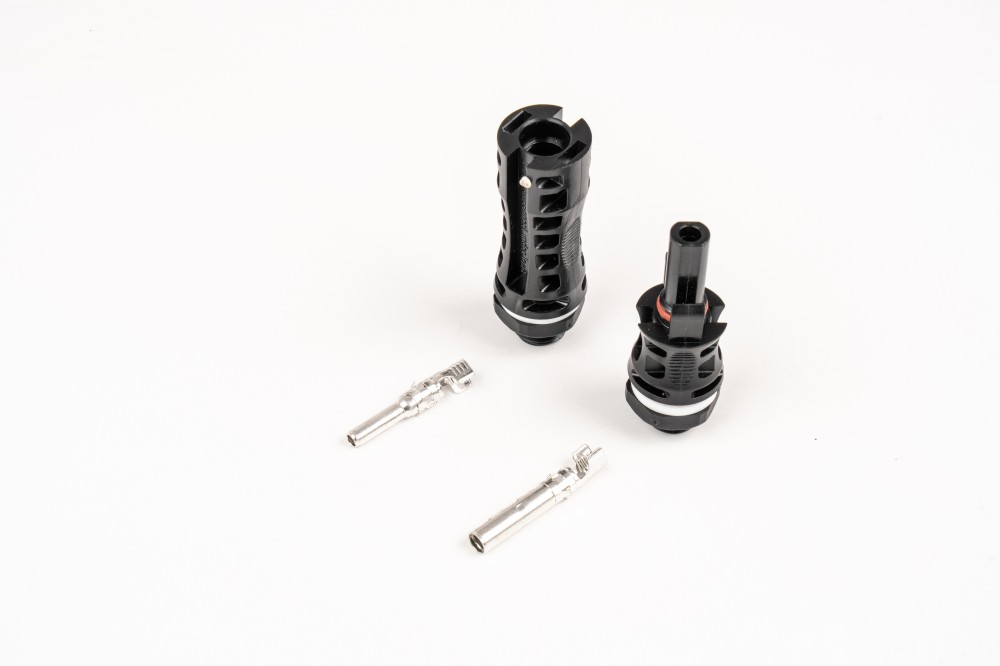
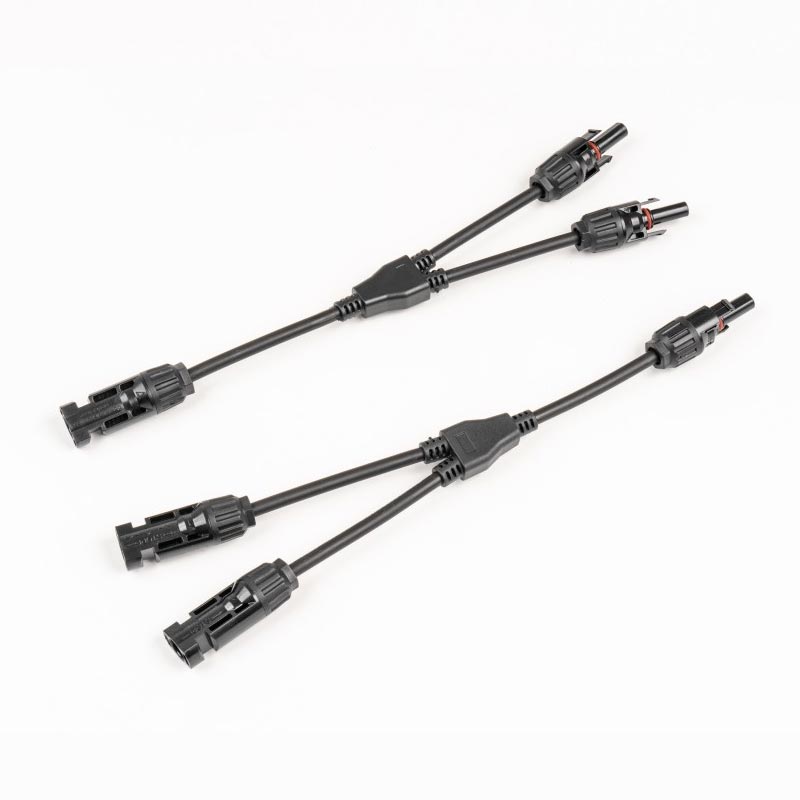
Combined with features such as copper conductors, UV-resistant housing, IP67 protection, and support for up to 1500V DC systems, the Solar Cable Connector 1500v demonstrates why connector performance remains a crucial part of solar infrastructure planning.
We use cookies to offer you a better browsing experience, analyze site traffic and personalize content. By using this site, you agree to our use of cookies.
Privacy Policy

 10 2026-09
  29 2026-07
  24 2026-06
  23 2026-06
  18 2026-06
  11 2026-06